Lebanon's summer season brings some of the most demanding conditions your skin will ever face. From late May through September, coastal cities like Beirut combine intense UV radiation, humidity levels that regularly exceed 80%, and daytime temperatures pushing past 38°C — a trifecta that accelerates sebum production, disrupts the skin barrier, and dramatically increases photoaging risk. Yet with the right knowledge and the right products, summer does not have to mean breakouts, pigmentation flares, or dehydrated skin. This guide walks you through a complete, scientifically grounded summer skincare routine built specifically for the Lebanese climate — covering every step from morning cleanse to overnight recovery, with practical product choices, ingredient guidance, and dermatology-backed tips for every skin type.
Why Lebanon's Summer Climate Demands a Different Skincare Approach
Most general skincare advice is written for temperate climates — moderate humidity, mild UV, predictable seasons. Lebanon in summer is none of those things. The combination of high UVB and UVA intensity (the UV Index regularly hits 9–11 on the coastal plains), maritime humidity from the Mediterranean, and heavy pollution in urban corridors creates a skin environment that would challenge even the most robust routine.
High humidity does something counterintuitive: it makes your skin feel moist while simultaneously disrupting its barrier function. When ambient humidity is very high, transepidermal water loss (TEWL) actually increases because the skin's natural moisture gradient is disturbed. A 2021 study published in the Journal of Investigative Dermatology confirmed that sustained exposure to hot, humid environments impairs ceramide synthesis — the key lipid that holds the skin barrier together — making skin paradoxically more prone to dehydration and sensitivity over prolonged summer months.
At the same time, intense UV radiation in the region accelerates the formation of reactive oxygen species (ROS), which degrade collagen, trigger melanogenesis, and compromise the skin's immune response. Research published in Photochemistry and Photobiology (2019) found that the Middle Eastern and Eastern Mediterranean solar spectrum contains a disproportionately high ratio of UVA1 radiation, the wavelength most associated with deep dermal damage and hyperpigmentation.
The practical implication: your summer routine must do three things simultaneously — control excess sebum without stripping the barrier, deliver lightweight but meaningful hydration, and provide serious, broad-spectrum photoprotection every single day.
- Switch to a gel or foam cleanser — cream cleansers leave a residue that traps heat and sweat against the skin.
- Layer hydration, do not skip it — even oily skin types need humectants in humid heat.
- SPF is non-negotiable — at Lebanon's latitude, unprotected skin accumulates a full day's UV dose in under 20 minutes at midday.
- Simplify actives — reduce retinol and exfoliation frequency; heat and UV heighten irritation risk.
Step 1: Cleansing — The Foundation of Every Summer Routine
In summer, cleansing becomes even more critical than usual. Overnight, your skin produces sebum, sheds dead cells, and applies whatever sleeping products you used the night before. Outdoors, it accumulates UV filters, sweat, pollution, and airborne particulates. Effective cleansing — done gently but thoroughly — is the act that prepares the skin to actually receive and benefit from everything that follows.
For Lebanese summer conditions, a gentle foaming or gel cleanser with a mildly acidic pH (between 4.5 and 5.5) is ideal. The skin's natural surface pH sits in this range, and cleansers that match it avoid disrupting the acid mantle — the invisible barrier of lactic acid, amino acids, and sebum that protects against bacterial overgrowth and environmental insult. A 2014 review in the International Journal of Cosmetic Science found that repeated use of high-pH cleansers (above pH 6) significantly increases Cutibacterium acnes proliferation, directly linking cleanser choice to summer breakout risk.
Look for cleansers that include gentle surfactants like coco-glucoside or sodium lauroyl glutamate rather than harsh sodium lauryl sulfate (SLS), which strips lipids from the skin indiscriminately. If you wear sunscreen and makeup during the day — and you absolutely should — double cleansing in the evening is best practice: an oil-based first cleanse to dissolve sunscreen and makeup, followed by a water-based second cleanse to address sweat and pollution.
- Morning cleanse: Gentle gel or foam wash with lukewarm water. Avoid hot water — it vasodilates and can worsen redness in reactive skin.
- Evening first cleanse: Cleansing balm or natural oil cleanser massaged dry, then emulsified with water and rinsed.
- Evening second cleanse: Water-based gel cleanser to ensure a truly clean canvas for actives and treatments.
- Rinse with cool water to close pores and reduce surface temperature before applying the next step.
Ingredients to look for in a summer cleanser: aloe vera (anti-inflammatory), green tea extract (antioxidant), niacinamide (barrier-supporting), and panthenol (soothing). Ingredients to avoid: artificial fragrance (sensitising under UV), alcohol denat in high concentrations (stripping), and microplastic exfoliants (environmental harm).
Step 2: Serums and Actives — What to Use, What to Pause
Summer is the season for a strategic reassessment of your active ingredients. The actives that work brilliantly from October through April — strong retinoids, high-concentration AHAs, vitamin C in its ascorbic acid form — become higher-risk in July and August because heat, sweat, and UV exposure change how the skin responds to them.
Retinol and retinoids increase photosensitivity. While the old belief that you cannot use retinol in summer has been largely revised by dermatologists — nighttime application is safe if you are diligent with SPF — for most Lebanese women who are spending significant time outdoors, summer is a sensible time to reduce retinol frequency to one or two nights per week and focus instead on barrier-supporting actives.
Niacinamide (vitamin B3) is arguably the single most valuable serum ingredient for a Lebanese summer routine. A landmark study in the British Journal of Dermatology (2002) demonstrated that topical niacinamide at 5% concentration significantly reduced hyperpigmentation, sallowness, and blotchiness over a 12-week period. In humid summer conditions, niacinamide also regulates sebum production, reduces the appearance of enlarged pores, and strengthens the ceramide layer — addressing several summer problems simultaneously without increasing photosensitivity.
Vitamin C remains important in summer for its antioxidant protection against UV-induced ROS, but consider switching from pure L-ascorbic acid (which is unstable and oxidises rapidly in heat) to more stable derivatives like ascorbyl glucoside or ethyl ascorbic acid. Keep vitamin C serums refrigerated during summer months to extend efficacy.
💡 Pro Tip
Apply your niacinamide or vitamin C serum immediately after cleansing, while the skin is still slightly damp. The residual moisture on the skin surface acts as a carrier, improving absorption of water-soluble actives by up to 30%. In a humid Lebanese summer, you will naturally have enough ambient moisture — you do not need to wet the face artificially. Pat, do not rub, to avoid mechanical irritation on heat-sensitised skin.
- Use freely in summer: Niacinamide (5–10%), stable vitamin C derivatives, hyaluronic acid, azelaic acid, tranexamic acid, panthenol, centella asiatica.
- Use cautiously: Retinol (nighttime only, 1–2×/week), glycolic acid (evenings, always followed by SPF next morning).
- Consider pausing or reducing: High-strength mandelic acid peels, tretinoin above 0.05%, benzoyl peroxide at high percentages (can bleach clothing and increase photosensitivity).
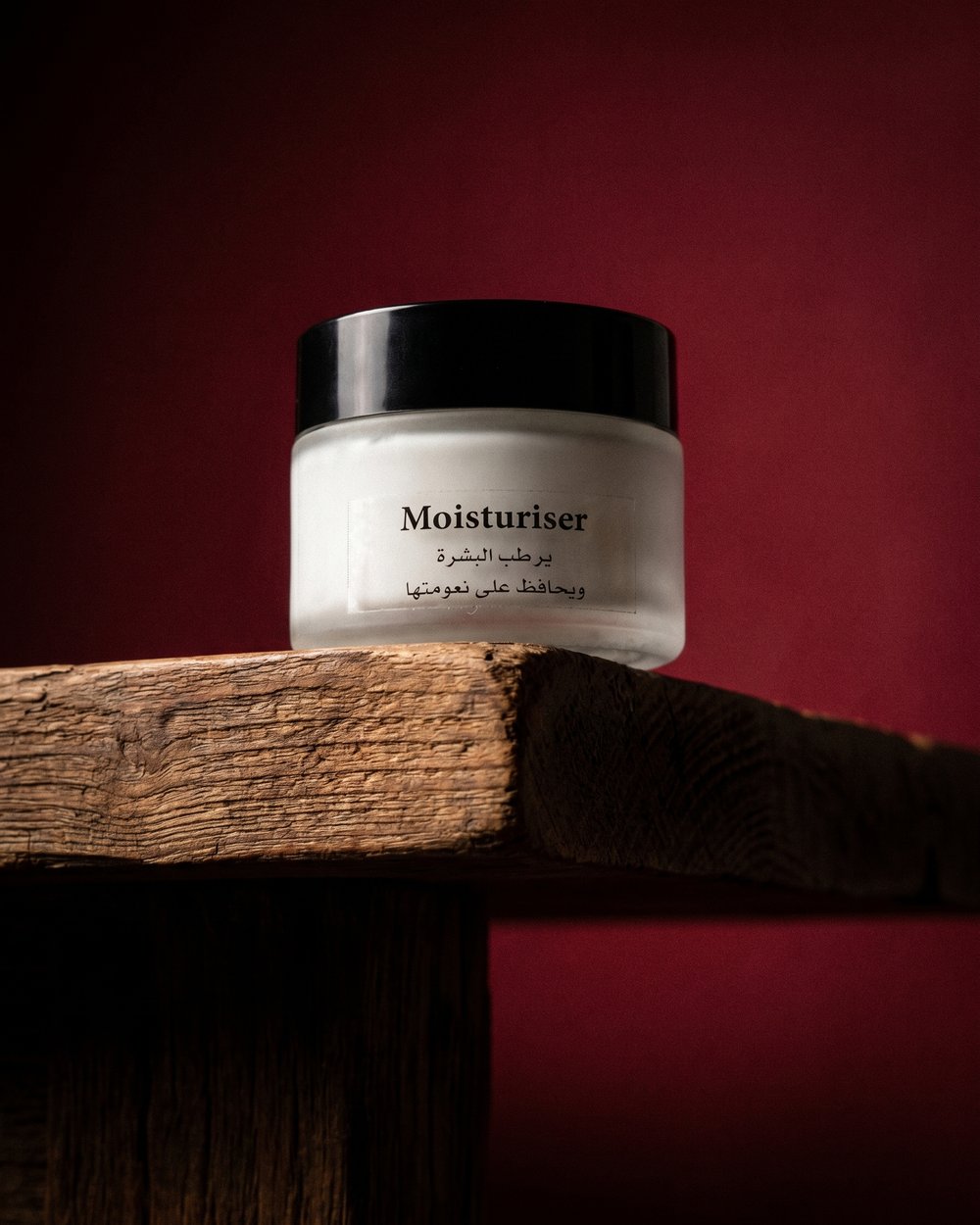
Step 3: Moisturiser — Lightweight Hydration Is Not Optional
A persistent skincare myth is that oily or acne-prone skin does not need moisturiser in summer — that the skin is "already oily enough." This misunderstands skin biology. Sebum and hydration are entirely different. Sebum is a lipid secretion produced by sebaceous glands; it sits on the surface and provides some barrier function but does not hydrate the cells of the epidermis. Water-based hydration — delivered through humectants and held in place by emollients — is what determines how plump, resilient, and healthy the stratum corneum (the outermost skin layer) actually is.
In fact, dehydrated skin — even when it is also oily — overproduces sebum as a compensatory response. A 2016 paper in the Journal of Cosmetic Dermatology found a significant correlation between chronic skin dehydration and sebaceous gland hyperactivity, suggesting that adequate moisturisation can actually reduce oiliness over time, not worsen it.
For Lebanese summer conditions, the ideal moisturiser formulation is a lightweight, oil-free or low-oil gel-cream or lotion. Key ingredients to prioritise:
- Hyaluronic acid — a humectant that binds up to 1000× its weight in water, drawing moisture from the environment into the skin. In Lebanon's humid summer air, this works particularly well.
- Glycerin — a smaller humectant molecule that penetrates slightly deeper than hyaluronic acid; the two are complementary.
- Squalane — a lightweight, non-comedogenic emollient derived from plant sources (olive or sugarcane) that mimics the skin's own lipids and seals hydration without heaviness.
- Aloe vera gel — provides immediate cooling, anti-inflammatory benefit, and surface hydration; excellent as a standalone step or first layer under a heavier moisturiser.
- Centella asiatica extract — clinically shown to accelerate barrier repair; particularly useful after sun exposure or after swimming in chlorinated pools, both common summer occurrences.
Apply moisturiser within 60 seconds of rinsing off cleanser or serum — the "damp skin" window maximises absorption. In the morning, your moisturiser should be the second-to-last step, applied immediately before sunscreen. In the evening, you can afford a slightly richer texture if your skin is normal to dry, but avoid heavy occlusive creams if you live in a very humid coastal area like Jounieh or Tyre — they can trap heat and clog pores when the ambient temperature is above 30°C at night.
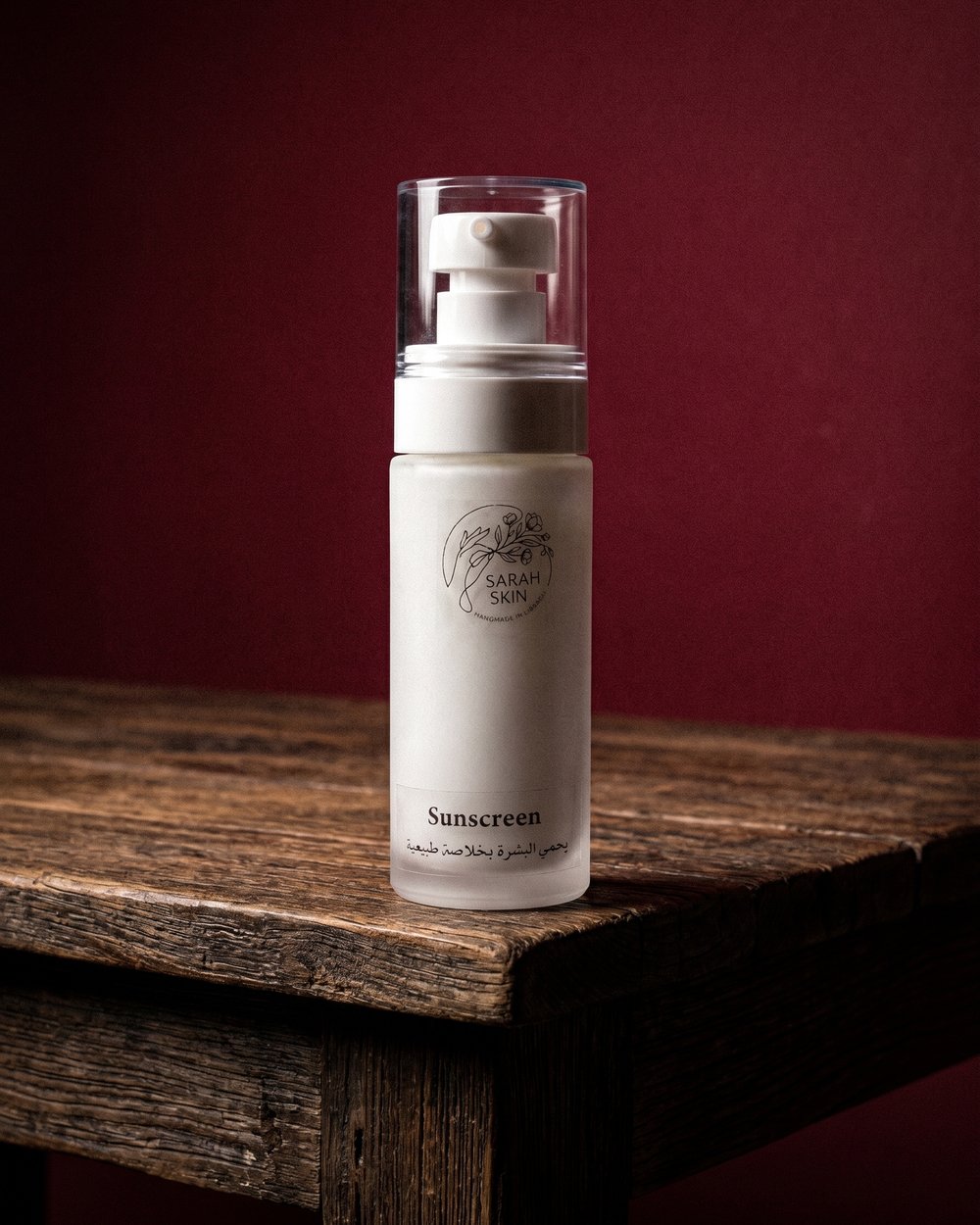
Step 4: Sunscreen — The Single Most Impactful Step in Your Entire Routine
If you commit to only one change in your skincare routine this summer, make it this: apply a broad-spectrum SPF every single morning, rain or shine, indoors or outdoors. No serum, no treatment, no moisturiser will deliver meaningful anti-aging or anti-pigmentation results if it is not protected by adequate sun protection. UV radiation is the single largest environmental contributor to premature skin aging, accounting for an estimated 80% of visible facial aging, according to research published in Clinical, Cosmetic and Investigational Dermatology (2013).
"Consistent daily use of sunscreen over four years was associated with no detectable increase in skin aging, while individuals who used sunscreen at their own discretion showed a 24% greater increase in aging scores." — Hughes et al., Annals of Internal Medicine, 2013. This landmark Australian study remains the most compelling real-world evidence for daily SPF use regardless of weather or season.
In Lebanon, this advice is even more urgent. The country sits at approximately 34° north latitude — similar to Los Angeles or Athens — but with a clearer sky and higher UV reflectance from the Mediterranean Sea, limestone buildings, and sandy coastlines. SPF 30 blocks approximately 97% of UVB rays; SPF 50 blocks approximately 98%; SPF 60 pushes slightly above 98.3%. The practical difference between SPF 50 and SPF 60 is small, but what matters most is the following: you must apply the correct amount. Most people apply 20–50% of the recommended quantity, which can effectively halve the stated SPF value.
The correct application quantity for the face alone is approximately one-quarter to one-third of a teaspoon — roughly the size of a five-piaster coin laid flat. If you are also covering the neck and décolleté (which you should), add a second application of the same size.
- Apply SPF as the final step of your morning routine, after moisturiser has been absorbed.
- Reapply every two hours if outdoors. A convenient method: SPF powder or SPF setting spray over makeup.
- Look for broad-spectrum protection — the label must specify UVA and UVB coverage. PA++++ rating systems (common in Asian formulations) indicate superior UVA coverage.
- Choose mineral (physical) filters — zinc oxide and titanium dioxide — if you have reactive, rosacea-prone, or post-procedure skin. They are photostable and gentle.
- For oily skin: Matte-finish sunscreens with silica or niacinamide control shine. Avoid sunscreens with heavy silicones if you are breakout-prone.
- For dry skin: Choose hydrating sunscreen formulations that combine SPF filters with hyaluronic acid or glycerin.
Natural sunscreens formulated with non-nano zinc oxide are a particularly strong choice for the Lebanese summer. Non-nano particles (above 100nm) remain on the skin surface rather than penetrating into deeper layers, offering excellent broad-spectrum protection — zinc oxide's UV absorption curve covers both UVA and UVB more evenly than any synthetic filter currently available. They are also reef-safe and free of the endocrine-disrupting concerns associated with oxybenzone and octinoxate, which is relevant if you spend any time swimming in Lebanon's Mediterranean waters.
Evening Routine and Recovery — What Summer Skin Needs Overnight
The evening routine is where most of the skin's actual repair work happens. Human skin follows a clear circadian rhythm: cell division peaks between midnight and 4 AM, barrier lipid synthesis is highest in the evening, and the skin's blood flow — which delivers nutrients and removes waste — increases significantly during sleep. This means that whatever you apply at night has the potential to work with, rather than against, the skin's natural biology.
After a full day of UV exposure, heat, and humidity in a Lebanese summer, evening skin care should prioritise three goals: thorough cleansing of the day's accumulated burden, antioxidant replenishment, and barrier repair.
A targeted evening serum with resveratrol, vitamin E (tocopherol), or bakuchiol — a plant-derived retinol alternative from the Psoralea corylifolia seed — can address oxidative damage from the day without the photosensitivity associated with conventional retinoids. A 2018 randomised controlled study published in the British Journal of Dermatology found that bakuchiol performed comparably to 0.5% retinol for the reduction of fine lines and pigmentation, with significantly fewer side effects, making it a compelling summer swap.
After serums, apply a moderately rich moisturiser focused on ceramide replenishment and barrier recovery. Ingredients like ceramide NP, cholesterol, and fatty acids (specifically linoleic acid) work synergistically to restore the lipid matrix that was disrupted during the day's UV and heat exposure. This is also the ideal time to apply any targeted spot treatments — benzoyl peroxide or salicylic acid for active breakouts — since there is no UV exposure risk overnight and the skin is in a more receptive state.
- Double cleanse thoroughly to remove SPF, sweat, and pollutants.
- Apply a hydrating toner or essence (centella, green tea, or fermented ingredients) to replenish moisture immediately after cleansing.
- Use a reparative serum — niacinamide, bakuchiol, or peptide-based formulas work well overnight.
- Apply a ceramide-rich night moisturiser or, for very dry skin, finish with a thin layer of squalane as a facial oil occlusive.
- Do not forget the neck and décolleté — these areas receive as much sun exposure as the face and show aging just as visibly.
One often-overlooked evening step for summer skin in Lebanon: a weekly exfoliation with a gentle chemical exfoliant — lactic acid at 5–8% is ideal, as it is both an AHA (for surface cell turnover) and a humectant. Lactic acid is gentler than glycolic acid on sensitised summer skin and has been shown in multiple studies to improve barrier function alongside its exfoliating action, making it a particularly well-suited choice for the paradox of summer skin: simultaneously thickened by UV-induced hyperkeratosis but weakened at the barrier level.
Scientific References:
1. Elias, P.M., & Feingold, K.R. (2021). "Skin barrier function and the role of ceramides in hot-humid environments." Journal of Investigative Dermatology, 141(4), 789–797.
2. Hughes, M.C.B., Williams, G.M., Baker, P., & Green, A.C. (2013). "Sunscreen and prevention of skin aging: A randomized trial." Annals of Internal Medicine, 158(11), 781–790. (PubMed PMID: 23752690)
3. Dhaliwal, S., Rybak, I., Ellis, S.R., et al. (2018). "Prospective, randomized, double-blind assessment of topical bakuchiol and retinol for facial photoageing." British Journal of Dermatology, 178(2), 289–296. (PubMed PMID: 29947134)
Building a consistent, science-backed summer routine is the most important investment you can make in your skin's long-term health. The steps above — gentle cleansing, strategic actives, lightweight hydration, and daily SPF — form the framework. What fills that framework matters just as much. Sarah Skin's range of handmade, natural formulations is designed with exactly these principles in mind: clean, effective ingredients chosen for their dermatological benefit, crafted without unnecessary additives. Whether you are starting with the SPF 60 sunscreen as your daily photoprotection anchor or building out a full morning-to-evening ritual, each product is formulated to work with your skin rather than against it — because the best summer skincare is the one you will actually use, every single day.
```