Choosing the right moisturizer feels simple on paper, but walk into any pharmacy or beauty counter and the sheer number of options — serums, creams, gels, lotions, balms — can make even the most informed shopper second-guess herself. The truth is, moisturizing is one of the most evidence-backed steps in any skincare routine. A well-matched moisturizer strengthens your skin barrier, regulates water loss, and directly influences how every other product in your routine performs. The problem is that most people either pick based on packaging, a friend's recommendation, or what was on sale — none of which account for individual skin biology. This guide cuts through the noise with science-backed principles and practical advice so you can finally choose a daily moisturizer that works with your skin, not against it. Whether you deal with tight, flaky patches or a midday shine, understanding your skin type is the first step toward real results.
Why Your Skin Type Determines Everything
Skin type is not a beauty industry construct — it is a measurable physiological reality shaped by sebaceous gland activity, your skin's natural moisture-retention capacity, and the integrity of your stratum corneum (the outermost layer of your skin). These factors are partly genetic and partly environmental, which means your skin type can evolve over time due to hormonal shifts, climate changes, aging, and diet. Knowing your skin type is not vanity; it is basic biology.
Researchers classify skin into four primary categories — dry, oily, combination, and sensitive — though many people experience overlap or fluctuation between types depending on season and lifestyle. A 2006 study published in the International Journal of Cosmetic Science confirmed that transepidermal water loss (TEWL) measurements differ significantly across skin types, directly influencing how moisturizers should be formulated and applied. Dry skin shows high TEWL, meaning water evaporates rapidly from the skin surface; oily skin tends to show lower TEWL but overproduces sebum as a compensatory mechanism; combination skin exhibits zone-specific variation; and sensitive skin is characterized by a compromised barrier that reacts to both internal and external triggers.
Understanding this helps you decode ingredient labels more effectively. A humectant like hyaluronic acid draws water into the skin — excellent for all types. An occlusive like shea butter creates a physical seal to prevent that water from escaping — ideal for dry skin but potentially pore-clogging for oily types. An emollient like squalane fills the gaps between skin cells, improving texture — well-tolerated across most types. When you know your skin's primary challenge, you can match these functional ingredients to your actual needs rather than relying on blanket marketing claims.
- Dry skin: Focus on occlusives + humectants (ceramides, shea, hyaluronic acid)
- Oily skin: Prioritize lightweight humectants + non-comedogenic oils (niacinamide, jojoba)
- Combination skin: Zone-targeted application or balanced gel-creams
- Sensitive skin: Fragrance-free, minimal formulas with barrier-repair actives (ceramides, oat extract)
Moisturizing Dry Skin: Locking In What Your Body Is Losing
Dry skin is characterized by an insufficient lipid content in the stratum corneum, which compromises the skin's ability to retain moisture. This leads to the classic symptoms: tightness after washing, visible flaking, a dull or rough texture, and in more severe cases, redness or fine cracks. People with dry skin often notice that their skin feels worse in air-conditioned environments or during cold winter months — both of which accelerate moisture evaporation.
For dry skin, the golden rule is layering. A well-designed moisturizer for dry skin should include at least one ingredient from each of the three functional categories: a humectant to attract moisture, an emollient to soften and smooth, and an occlusive to seal everything in. Look specifically for ceramides — lipid molecules that are naturally found in healthy skin and are significantly depleted in dry skin. A landmark paper in the Journal of Investigative Dermatology found that ceramide-deficient skin showed markedly higher rates of water loss and was far more prone to irritation and barrier compromise. Replenishing ceramides topically has been shown to measurably reduce TEWL within four weeks of consistent use.
Shea butter deserves special mention here. Rich in oleic, stearic, and linoleic acids, it is both an emollient and a mild occlusive, and it carries a natural fraction of triterpene alcohols that have demonstrated anti-inflammatory properties in peer-reviewed research. For people with dry skin, applying moisturizer within 60 seconds of stepping out of the shower — while skin is still slightly damp — dramatically enhances absorption and efficacy. This technique, often referred to as "soak and seal" in clinical dermatology practice, allows the humectant components to bind atmospheric and surface water into the skin before the occlusive layer locks it in.
"Restoration of the stratum corneum lipid barrier using topical emollient formulations reduces transepidermal water loss and significantly improves skin hydration scores in subjects with dry and atopic skin within a 4-week treatment period." — Draelos ZD et al., Journal of Cosmetic Dermatology, 2011
💡 Pro Tip
If your dry skin feels tight again by mid-afternoon, you are not using enough product — not the wrong product. Dry skin types typically need 1.5–2x the amount that combination skin requires. Try applying a generous layer at night and allow the skin to fully absorb it before bed. Morning skin will be visibly softer and more plump.
Moisturizing Oily Skin: Yes, You Still Need It
This is the most persistent myth in skincare: that oily skin does not need moisturizer. It is not only wrong — it can actively make oiliness worse. When your skin is dehydrated (low water content) even while being oily (high sebum content), your sebaceous glands compensate by producing even more oil. The result is a vicious cycle of shine, enlarged pores, and increased risk of breakouts. Skipping moisturizer does not reduce oil production; it simply strips the skin of water and signals the body to double down on sebum.
The key for oily skin is formula type. You want a water-based, non-comedogenic moisturizer — most commonly found in gel or fluid lotion textures — that delivers hydration without contributing additional lipids that can mix with sebum and clog pores. Ingredients to actively seek out include niacinamide (vitamin B3), which has been shown in multiple clinical studies to reduce sebum excretion rate and minimize pore appearance; hyaluronic acid for hydration without heaviness; and glycerin, a universally well-tolerated humectant that draws water to the skin surface.
Research published in the Journal of Cosmetics, Dermatological Sciences and Applications demonstrated that niacinamide at a 2–5% concentration reduced sebum production by up to 30% over eight weeks of daily use, while simultaneously improving skin elasticity and tone. This makes it one of the most multitasking ingredients available for oily skin types. Equally important is what to avoid: heavy waxes (such as beeswax or carnauba wax), coconut oil (highly comedogenic on most people), and thick occlusives like petroleum jelly, all of which sit on the surface and can contribute to congestion in oily or acne-prone skin.
- Choose gel, fluid, or lightweight lotion textures over creams or balms
- Look for "non-comedogenic" and "oil-free" labels as a baseline filter
- Apply a thin, even layer — more product does not mean better hydration for oily skin
- Use morning and night; a lighter application at night is still necessary for barrier health
- Pair with a gentle, non-stripping cleanser to avoid triggering the over-production cycle
Combination Skin: The Art of Balance
Combination skin is arguably the most complex to address because it requires managing two opposing conditions simultaneously. The T-zone — forehead, nose, and chin — tends to be oily, with visibly larger pores and frequent shine or breakouts. The cheeks and jawline, by contrast, are often dry, sensitive, or flaky, especially in cooler months. A single product that fully satisfies both zones rarely exists, which is why the most effective approach for combination skin is either multi-masking (applying different products to different zones) or selecting a well-balanced formula that sits in the middle range of the texture spectrum.
Gel-cream hybrids have become the dermatologist's recommendation of choice for combination skin precisely because they deliver meaningful humectants in a water-dispersed base without the heaviness of a full cream. You still benefit from ingredients like hyaluronic acid, aloe vera, and lightweight plant oils (such as jojoba, which closely mimics the skin's own sebum at a molecular level and is generally well-tolerated even on oily zones). The concept of "biome-friendly" moisturizing is also gaining traction in the scientific literature — formulas that support the skin microbiome through prebiotic ingredients help stabilize combination skin by regulating both oil production and moisture retention across zones.
Seasonality matters more for combination skin than for any other type. In the dry, hot months typical across the Eastern Mediterranean, the cheek areas may become particularly parched while the T-zone remains oily; in humid seasons, the entire face may behave more oilily. Building flexibility into your routine — perhaps a slightly richer product in dry months and a lighter gel version in summer — allows you to work with your skin's seasonal rhythms rather than fighting them. This adaptability is what separates a smart skincare routine from a rigid one.
Sensitive Skin: Prioritizing Calm Over Complexity
Sensitive skin is less a fixed type and more a condition that can overlay any other skin type — your skin can be both oily and sensitive, or dry and sensitive, or combination and reactive. What defines sensitive skin is a lowered threshold for irritation: products that are tolerated easily by others cause stinging, redness, flushing, or persistent dryness on sensitive skin. The underlying cause is typically a compromised epidermal barrier — the tight-junction proteins and lipid matrix that normally prevent irritants, allergens, and microbes from penetrating are weakened, making the skin hyper-responsive to the outside world.
For sensitive skin, the guiding principle is radical simplicity. Fewer ingredients mean fewer potential triggers. This is why fragrance — the single most common cause of cosmetic contact dermatitis according to data published in PubMed-indexed Contact Dermatitis journals — should always be avoided. Both synthetic fragrances and certain natural essential oils (including lavender, citrus, and peppermint) are high on the sensitization list. When a formula is labeled "naturally scented," that does not automatically mean it is safe for sensitive skin. The clinical standard remains fragrance-free, not "natural fragrance."
Ingredients that are evidence-based for sensitive skin include colloidal oatmeal (the first ingredient clinically recognized by the FDA as a skin protectant), panthenol (provitamin B5), centella asiatica, and as mentioned earlier, ceramides. Centella asiatica in particular has a growing body of peer-reviewed research supporting its ability to calm inflammation, support collagen synthesis, and accelerate barrier repair — all precisely what sensitive skin needs. A good moisturizer for sensitive skin should feel like nothing when it goes on: no tingling, no immediate warming sensation, no lasting tackiness. If you feel it working in the first 30 seconds, it may be working the wrong way.
- Always patch-test new products on the inner wrist or behind the ear for 48–72 hours
- Introduce one new product at a time, spaced at least two weeks apart
- Avoid physical exfoliation and high-concentration actives (AHAs, retinoids) without professional guidance
- Choose pump or airless packaging to avoid contaminating product with fingers and bacteria
- Look for "dermatologically tested" and "hypoallergenic" as secondary (not primary) indicators of tolerance
How to Read an Ingredients List Like a Dermatologist
Ingredients on a cosmetic label are listed in descending order of concentration — meaning the first five to seven ingredients make up the bulk of the formula. Everything below 1% concentration can be listed in any order, which is why high-profile actives sometimes appear near the bottom of a long list (a marketing reality that the cosmetic industry is widely criticized for). Learning to parse this list gives you real power as a consumer, especially when evaluating natural product formulations where the botanical names can obscure what you're actually buying.
Water (Aqua) will typically be the first ingredient in any water-based moisturizer — this is normal and not a sign of dilution or low quality. What matters is what follows water in the first four to five positions. If glycerin or another humectant appears second or third, you know the formula is hydration-focused. If a plant butter or oil appears high on the list, expect a richer, more emollient experience. If the first few ingredients are mostly alcohol variants (particularly denatured alcohol or SD alcohol 40), that product may be insufficiently moisturizing regardless of what the marketing claims.
Natural formulations often replace synthetic humectants with plant-derived equivalents — aloe vera juice in place of water, for example, or sugar-derived squalane in place of petroleum-derived petrolatum. These are legitimate, functional substitutions, but they do not automatically make a product superior. What matters is whether the combination of ingredients in a formula addresses your skin type's specific needs at effective concentrations. A beautifully sourced, minimal-ingredient natural moisturizer built around your skin's actual biology can absolutely outperform a synthetic-heavy formula marketed with clinical language but formulated for the average rather than for you.
When evaluating a moisturizer for daily use, ask yourself three questions: Does it contain at least one humectant? Does it contain at least one emollient? And does it contain an occlusive appropriate for my skin type? If the answer to all three is yes, you have a fundamentally sound moisturizer. Whether it is "natural" or "clinical" is a secondary consideration — efficacy and skin compatibility are what determine whether it earns a permanent place in your routine.
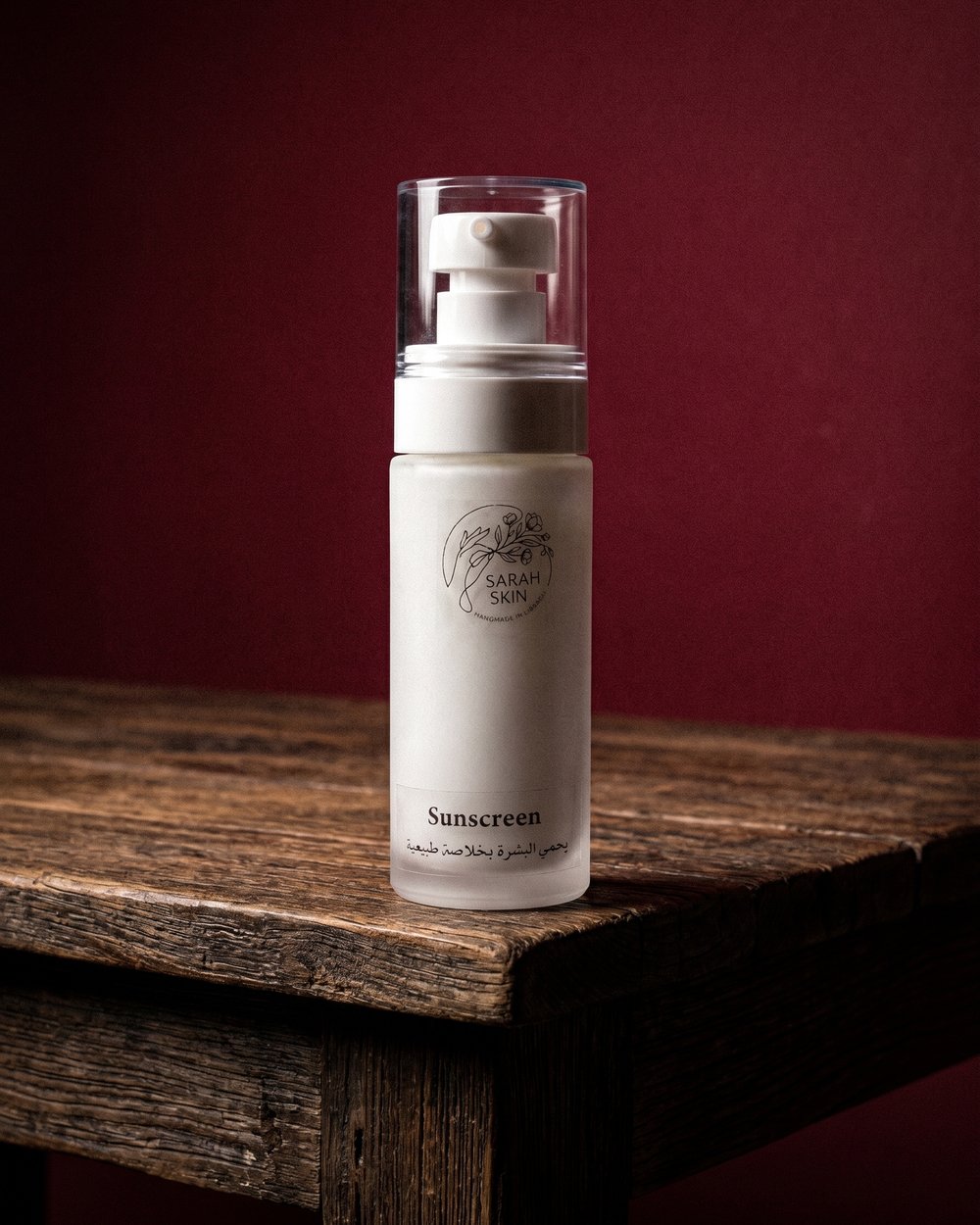
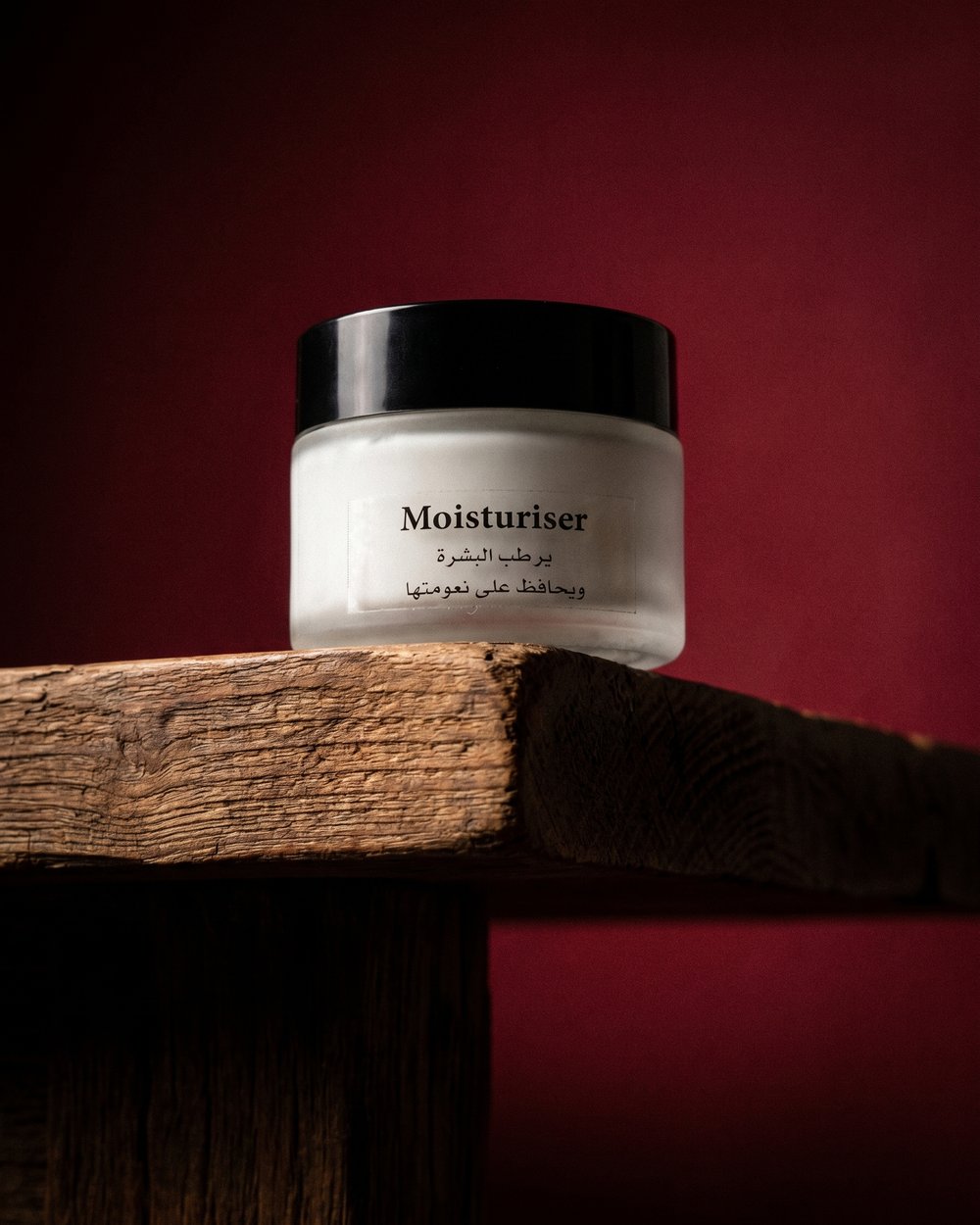
Sarah Skin's Daily Moisturiser is formulated with this exact philosophy — a curated selection of natural ingredients chosen not for trend value but for functional synergy with the skin's own biology. It is designed for consistent, daily use across skin types, with a texture that absorbs fully without residue and a completely clean ingredient profile free of synthetic fragrances and unnecessary fillers. For those prioritizing simplicity, transparency, and results grounded in how skin actually works, this is the product to reach for morning and night. Your skin deserves something intentional — not just convenient.
Scientific References:
1. Draelos ZD, DiNardo JC. "A re-evaluation of the comedogenicity concept." Journal of the American Academy of Dermatology. 2006;54(3):507–512. Available via PubMed PMID: 16488319.
2. Levin J, Maibach HI. "The correlation between transepidermal water loss and skin surface hydration in the assessment of dry skin." International Journal of Cosmetic Science. 2006;28(4):247–254. doi:10.1111/j.1467-2494.2006.00339.x
3. Soma Y, Kashima M, Imaizumi A, Takahama H, Kawakami T, Mizoguchi M. "Moisturizing effects of topical nicotinamide on atopic dry skin." International Journal of Dermatology. 2005;44(3):197–202. Available via PubMed PMID: 15787815.