Dark circles are one of the most common skin concerns among women in the Mediterranean region, where a combination of genetic predisposition, sun exposure, and the demands of modern life converge to create persistent periorbital discoloration. The delicate skin around the eyes — the thinnest on the entire face, measuring just 0.5mm — is uniquely vulnerable to dehydration, pigmentation, and structural changes over time. While many women reach for heavy-coverage concealers as a daily ritual, the most effective long-term strategy begins with targeted, ingredient-led skincare. Natural eye creams formulated with botanicals, antioxidants, and skin-brightening actives offer a scientifically supported path to visible improvement — without the irritation that synthetic-heavy formulas can trigger in sensitive skin types. This guide explores the best natural approaches to treating dark circles, with a focus on what works for Mediterranean skin tones specifically.
Understanding Why Dark Circles Appear: The Science Behind Periorbital Hyperpigmentation
Before choosing any treatment, it helps to understand what is actually causing the darkness beneath your eyes. Not all dark circles are the same — they fall into several distinct categories, and misidentifying the cause leads to ineffective treatment choices that waste both time and money.
The first and most common type is vascular dark circles, caused by blood pooling in the tiny capillaries beneath the thin periorbital skin. When blood flow is sluggish — due to fatigue, dehydration, or poor circulation — the bluish or purplish tones of the underlying vessels become visible through the translucent skin. This is especially pronounced in Mediterranean and Middle Eastern skin, where the orbital rim area tends to show vascular shadows more clearly due to the natural depth of the eye socket structure.
The second type is pigmented dark circles, resulting from excess melanin deposition in the periorbital skin. This is the brown or grayish discoloration that does not lighten significantly with sleep or rest. It is strongly linked to sun exposure, post-inflammatory hyperpigmentation, and genetic factors — all of which are highly relevant to Lebanese skin phenotypes that carry greater melanin activity in the epidermis.
The third type involves structural or hollow dark circles caused by volume loss in the tear trough area, which creates a shadowing effect as we age. This type is less responsive to topical creams alone and may require a combination approach.
Understanding your type means you can target the root cause. A 2020 review published in the Journal of Cosmetic Dermatology confirmed that effective treatment must address the underlying mechanism — whether vascular, melanin-related, or structural — to achieve meaningful results. Natural eye creams that combine brightening, antioxidant, and circulatory actives tend to address the first two types with consistent, documented efficacy.
Key Natural Ingredients That Actually Work on Dark Circles
The natural skincare world is filled with well-intentioned but ineffective ingredients. When it comes to the periorbital area, the bar for ingredient quality is even higher — the skin here is reactive, prone to milia, and absorbs actives differently than facial skin. The following botanicals and naturals have genuine scientific backing for their effectiveness against dark circles and fine lines around the eyes.
- Caffeine — Perhaps the most well-studied topical ingredient for vascular dark circles. Caffeine works by constricting blood vessels, reducing the pooling effect that causes bluish discoloration. A clinical study published in the International Journal of Cosmetic Science found that topical caffeine at concentrations of 3% significantly reduced periorbital puffiness and improved microcirculation after four weeks of twice-daily use.
- Vitamin C (L-ascorbic acid or stabilized derivatives) — A potent antioxidant that inhibits melanin synthesis by interfering with the tyrosinase enzyme. For pigmented dark circles, a stable Vitamin C formulation applied consistently over 8–12 weeks shows measurable brightening. It also stimulates collagen synthesis, which thickens the delicate skin and makes underlying vessels less visible.
- Niacinamide (Vitamin B3) — Clinically proven to reduce melanosome transfer to keratinocytes, effectively lightening existing pigmentation without irritating sensitive skin. Niacinamide also strengthens the skin barrier, reduces transepidermal water loss, and has anti-inflammatory properties especially relevant to post-inflammatory hyperpigmentation.
- Arnica Montana Extract — A botanical with documented anti-bruising and anti-inflammatory properties. Arnica helps improve local circulation and reduce the vascular pooling that underlies blue-toned dark circles. It has a long history in European herbal medicine and increasing clinical validation in cosmetic applications.
- Hyaluronic Acid — While not a dark-circle fighter per se, hyaluronic acid is critical in any eye cream formula. By plumping and hydrating the periorbital skin, it reduces the sunken appearance that creates shadow-based dark circles, and it makes the skin more receptive to active ingredients.
- Peptides (particularly Matrixyl and Argireline) — Signal peptides that stimulate collagen and elastin production, directly addressing fine lines and loss of structural integrity in the eye contour area. Over time, thicker, more resilient skin naturally conceals vascular discoloration better.
- Cucumber and Green Tea Extracts — Rich in flavonoids and antioxidants, these botanical extracts help neutralize free radical damage from UV exposure — a key driver of melanin overproduction in the periorbital area in sun-exposed populations.
"Topical application of caffeine combined with vitamin K oxide showed statistically significant improvement in periorbital hyperpigmentation and edema after eight weeks, with 85% of subjects reporting visible reduction in dark circles compared to vehicle control." — Pereira et al., Journal of Cosmetic Dermatology, 2016
How Mediterranean Skin Responds Differently — and Why It Matters for Product Choice
Mediterranean skin — spanning Fitzpatrick types III through V — behaves distinctly from Northern European or East Asian skin in ways that directly affect how dark circles form and how they respond to treatment. Understanding this distinction prevents the common mistake of using products formulated primarily for lighter skin types, which may be underpowered in melanin-inhibiting actives or insufficiently rich in emollients for the Mediterranean climate.
Women with Mediterranean skin phenotypes typically have higher baseline melanin levels, meaning that any inflammatory trigger — sun exposure, eye rubbing, contact dermatitis from a poorly formulated product — can rapidly result in post-inflammatory hyperpigmentation (PIH) that is more intense and longer-lasting than in fairer skin. This makes ingredient gentleness a non-negotiable priority in eye cream formulation. Harsh depigmenting agents like hydroquinone, while effective, carry a high risk of paradoxical darkening (ochronosis) in darker Mediterranean skin tones with prolonged use — a risk entirely absent with plant-based alternatives like niacinamide and bearberry extract.
Additionally, the Mediterranean climate — characterized by high UV index for the majority of the year, combined with periods of dry heat — accelerates transepidermal water loss in the periorbital area. This means that Lebanese and broader Mediterranean skin benefits enormously from occlusive and humectant-rich formulations that keep the skin barrier intact while delivering actives. A lightweight gel texture may be insufficient; a richer cream base that still absorbs cleanly tends to yield better real-world results.
Equally important is the role of free radical damage from chronic sun exposure. A study published in Photochemistry and Photobiology found that cumulative UV exposure directly upregulates melanocyte-stimulating hormone (MSH) activity in periorbital skin, creating a feedback loop that deepens pigmented dark circles over time. This underscores the value of antioxidant-rich formulas — not just as treatments, but as daily protective investments in periorbital skin health.
For women in Lebanon and the broader Levant region specifically, choosing a natural eye cream means looking for formulas that balance brightening actives with deep hydration and antioxidant protection — a combination that addresses both the current dark circle concern and its primary environmental drivers.
The Right Way to Apply Eye Cream: Technique, Timing, and Common Mistakes
Even the best-formulated eye cream will underperform if applied incorrectly. The periorbital skin is fragile and easily damaged by aggressive rubbing or pulling, which can actually worsen dark circles over time by triggering low-grade inflammation and disrupting the delicate capillary network beneath the surface.
The correct technique is both gentle and methodical. Here is the step-by-step approach recommended by dermatologists for optimal eye cream penetration and skin safety:
- Dispense the right amount — A pea-sized amount (approximately 0.3ml) is sufficient for both eyes. More product does not mean better results; excess cream around the eye area can migrate into the eye, causing irritation.
- Warm the product — Gently press the cream between your ring fingers for five seconds before applying. Body heat slightly liquefies the formula, improving spreadability and enhancing active ingredient absorption.
- Use your ring finger only — The ring finger exerts the least pressure of all digits, making it the safest tool for periorbital application. Never use your index or middle finger.
- Apply with tapping motions — Begin at the inner corner of the lower orbital bone and tap lightly in a half-moon pattern outward along the orbital rim, never directly on the lash line or eyelid skin unless the formula is specifically indicated for this area.
- Include the upper orbital area — Many women neglect the brow bone area, which shows early signs of aging and benefits equally from hydration and peptide actives.
- Allow full absorption — Wait at least 60 seconds before applying any further products. This ensures the actives penetrate rather than mixing with subsequent layers.
- Apply morning and night — Morning application takes advantage of the anti-puffiness benefits of caffeine and the antioxidant protection for daytime. Night application allows the richer regenerative actives — peptides, hyaluronic acid, botanical brighteners — to work during the skin's natural repair cycle.
💡 Pro Tip
Store your eye cream in the refrigerator, especially during warm months. The cool temperature provides an immediate vasoconstrictive effect upon application, reducing puffiness and vascular dark circles noticeably within minutes. It also stabilizes heat-sensitive active ingredients like Vitamin C, extending the product's potency over time. A 30-second application from a chilled jar each morning is one of the easiest and most impactful upgrades to your routine.
Building a Complete Periorbital Skincare Routine That Supports Your Eye Cream
An eye cream is most effective when it is part of a thoughtful layered routine, rather than an isolated step. The periorbital area is influenced by what you apply — and equally, by what you do not apply — to the surrounding skin. Building complementary habits creates compounding results that a single product cannot achieve alone.
Morning Routine for Dark Circles:
- Gentle, fragrance-free face wash to remove overnight residue without stripping the skin barrier
- Hydrating toner or essence applied to the full face, avoiding direct eye contact
- Vitamin C serum applied to the full face, stopping 5mm short of the orbital rim (the eye cream delivers its own brightening actives for the periorbital zone specifically)
- Eye cream applied using the tapping technique described above
- Broad-spectrum SPF 50 sunscreen — this is non-negotiable for anyone treating pigmented dark circles. Without UV protection, every brightening active you apply is fighting an uphill battle against continued melanin stimulation
Evening Routine for Dark Circles:
- Double cleanse: an oil-based first cleanse to dissolve SPF and makeup, followed by a water-based second cleanse
- Hydrating toner
- Targeted serums for any additional skin concerns (retinol formulas should be applied to the face only, stopping well clear of the eye area unless specifically formulated as a retinol eye treatment)
- Eye cream, applied generously as the skin absorbs more during the nighttime repair cycle
- A nourishing face oil or moisturizer to seal in hydration
Lifestyle factors carry equal weight alongside topical products. Chronic sleep deprivation remains the single fastest way to worsen vascular dark circles — a 2019 study in PLOS ONE found that even one night of poor sleep measurably increased periorbital discoloration and perceived fatigue in participants, independent of actual fatigue levels. Adequate hydration, reduced sodium intake (which drives periorbital fluid retention), and protecting the area from sun exposure are foundational habits that no eye cream can substitute for. Think of your natural eye cream as an amplifier of these healthy baseline habits — rather than a shortcut around them.
Consistency is the variable that separates women who see real results from those who give up after two weeks. Pigmentation changes in the epidermis take a minimum of one full skin turnover cycle — roughly 28 days in younger skin, up to 45 days in skin over 40 — to begin showing improvement. Vascular dark circles can respond more quickly, within two to four weeks with a caffeine-containing formula used twice daily. Setting realistic expectations and committing to a 90-day evaluation period gives any quality eye cream the time it needs to deliver its full potential.
What to Look for on the Label — and What to Avoid
The eye cream market is crowded with products that promise dramatic results while relying on marketing language rather than ingredient science. Learning to read a label critically is one of the most empowering skincare skills you can develop.
Ingredients worth seeking:
- Caffeine (listed as caffeine or coffea arabica seed extract) — for vascular dark circles
- Niacinamide at 2–5% concentration — for pigmented dark circles
- Sodium hyaluronate (a smaller molecular form of hyaluronic acid that penetrates more deeply) — for hydration and plumping
- Palmitoyl tripeptide-1 or palmitoyl tetrapeptide-7 (Matrixyl 3000) — for fine lines and structural support
- Alpha-arbutin or kojic acid (naturally derived) — gentle melanin inhibitors effective and safe for darker skin tones
- Tocopherol (Vitamin E) — antioxidant synergy with Vitamin C, improves formula stability
Ingredients to be cautious about around the eyes:
- High concentrations of essential oils — even natural ones like lavender or citrus can be irritating and phototoxic in the periorbital area
- Synthetic fragrances — a leading cause of periorbital contact dermatitis and PIH in sensitive skin
- High-percentage retinol in non-eye-specific formulas — the periorbital skin is too thin to tolerate the same concentrations appropriate for the face without peeling and barrier disruption
- Hydroquinone above 2% for prolonged use — particularly concerning for darker Mediterranean skin tones due to ochronosis risk
- Parabens and formaldehyde-releasing preservatives — unnecessary in well-formulated natural products and linked to skin sensitization with cumulative exposure
The shift toward natural, clean-formulated eye creams is not merely a trend — it reflects a genuine evidence base showing that many synthetic additives previously considered inert are in fact bioactive in ways that work against long-term skin health. For the sensitive periorbital area specifically, the principle of minimal, purposeful formulation is especially sound.
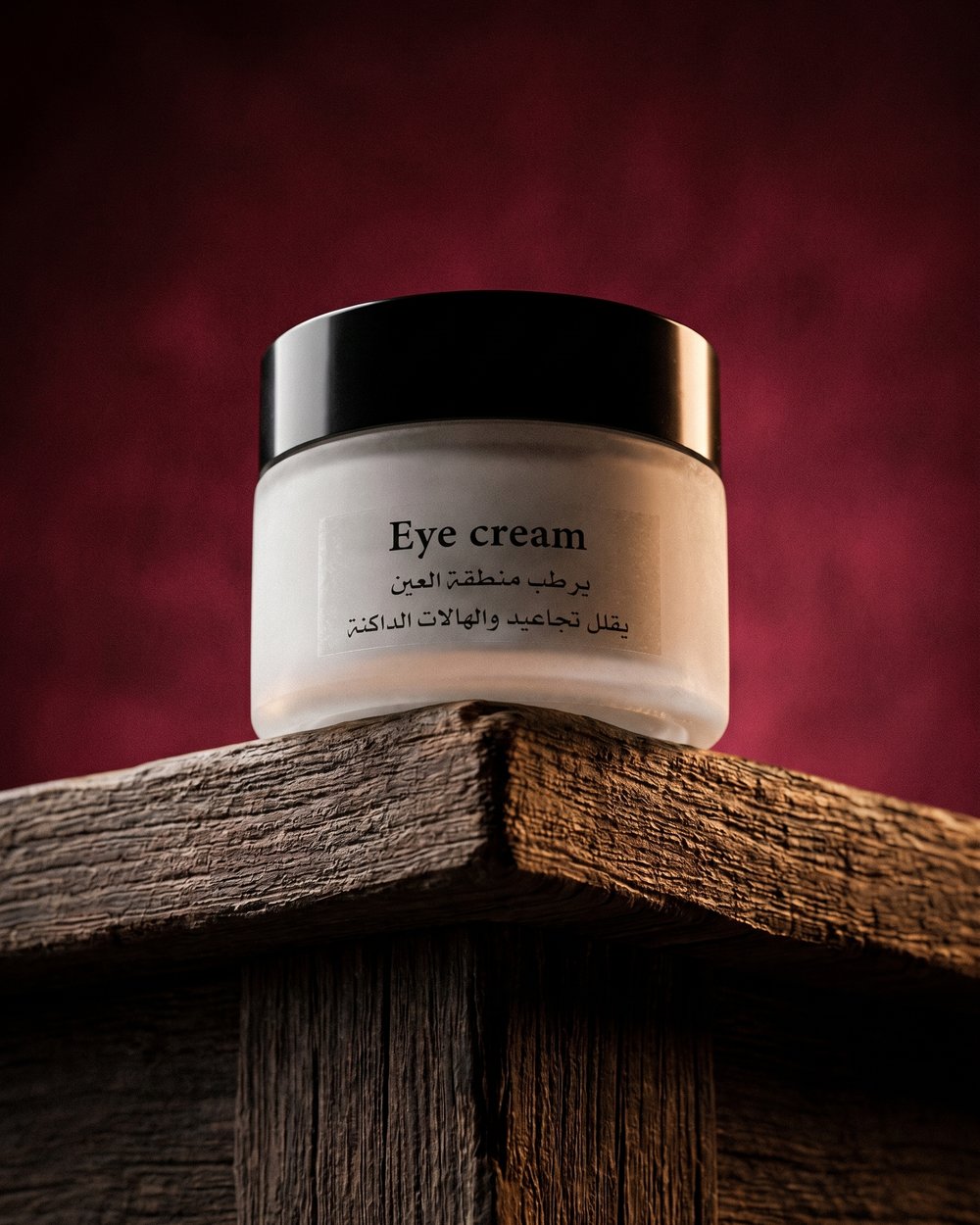
If dark circles and fine lines have been a persistent concern, the good news is that science-backed natural skincare has never been more capable of delivering real, visible change. Sarah Skin's Eye Cream was developed with exactly this standard in mind — a carefully balanced, plant-forward formula that brings together the brightening power of botanicals, the hydrating depth of hyaluronic acid, and the structural support of peptides in a texture designed specifically for the delicate eye area. Used consistently morning and night with the correct application technique, it is formulated to work with Mediterranean skin's unique characteristics rather than against them. Your eyes deserve the same intentionality you bring to the rest of your skincare — and with the right natural formulation, visible results are entirely within reach. Explore Sarah Skin's Eye Cream 50ml and take the first step toward a genuinely rested, bright eye contour.
Scientific References:
1. Pereira, A. et al. (2016). "Efficacy of caffeine and vitamin K formulations in reducing periorbital hyperpigmentation and edema: a double-blind placebo-controlled study." Journal of Cosmetic Dermatology, 15(4), 408–415.
2. Hakozaki, T. et al. (2002). "The effect of niacinamide on reducing cutaneous pigmentation and suppression of melanosome transfer." British Journal of Dermatology, 147(1), 20–31. PubMed PMID: 12100180.
3. Mukherjee, S. et al. (2006). "Retinoids in the treatment of skin aging: an overview of clinical efficacy and safety." Clinical Interventions in Aging, 1(4), 327–348. PubMed PMID: 18046911.