Lebanese winters carry a deceptive quality that catches many people off guard. While temperatures rarely plunge to extremes, the combination of dry cold air, indoor heating systems, and erratic humidity levels creates a perfect storm for moisture-depleted skin. By January and February, many women notice their complexion looking dull, feeling tight after cleansing, and developing rough patches around the cheeks, nose, and forehead. This is not simply a cosmetic inconvenience — chronic skin dehydration compromises the skin barrier, accelerates the appearance of fine lines, and leaves skin more vulnerable to irritants and inflammation. Understanding why Lebanese winters are particularly challenging for skin hydration, and knowing exactly how to respond with targeted, evidence-backed care, makes the difference between surviving the season and genuinely thriving in it. The solutions are simpler than you might expect, and the right daily habits compound quickly into visible, lasting results.
Why Lebanese Winter Strips Skin of Moisture More Than You Think
It is a common misconception that skin dehydration is only a problem in extreme cold climates. In reality, skin dryness is less about low temperature and more about low relative humidity and rapid shifts between indoor and outdoor environments. Lebanon's coastal and mountain regions experience winters where outdoor humidity can drop significantly, particularly during the dry Levantine winds that blow in from the east. At the same time, indoor heating — whether from electric units, gas heaters, or central systems — strips ambient air of moisture at an alarming rate.
The skin barrier, or stratum corneum, is a sophisticated lipid matrix made up of ceramides, fatty acids, and cholesterol. This barrier regulates transepidermal water loss (TEWL), the passive evaporation of water through the skin. When environmental humidity drops below 40%, TEWL increases measurably. A study published in the International Journal of Cosmetic Science confirmed that low ambient humidity is one of the most significant environmental drivers of elevated TEWL, leading to the hallmark symptoms of dry skin: tightness, flaking, rough texture, and increased sensitivity.
For Lebanese women who commute between the chilly outdoor air, air-conditioned or heated offices, and warm homes, the skin is subjected to repeated cycles of humidity fluctuation every single day. Each transition is a small stress event for the barrier. Over weeks, cumulative barrier damage makes it harder for the skin to retain moisture on its own — which is why a passive approach of simply applying lotion occasionally is not sufficient during winter months. A deliberate, layered skincare strategy becomes essential.
Additionally, many people switch to hotter shower temperatures in winter, which further dissolves the natural oil film on the skin's surface and accelerates moisture loss. These everyday habits, stacked together, explain why so many women feel their skin seems to deteriorate precisely when the season changes, even in a relatively mild climate like Lebanon's.
The Science of Skin Hydration: Humectants, Emollients, and Occlusives Explained
To build an effective winter moisturizing routine, it helps to understand the three categories of ingredients that address skin dryness from different angles. Each plays a distinct and complementary role, and using them in the correct sequence is what produces lasting hydration rather than temporary surface softness.
Humectants are molecules that draw water into the skin by binding to water molecules in both the deeper skin layers and the surrounding air. Glycerin is the most studied and widely used humectant, with an extensive safety and efficacy profile. Hyaluronic acid is another well-known humectant capable of holding up to 1,000 times its weight in water. Natural humectants such as aloe vera, honey, and certain plant-derived sugars function similarly. When applied to slightly damp skin, humectants maximize their water-attracting capacity.
Emollients fill the microscopic gaps between skin cells in the stratum corneum, smoothing texture and improving the skin's flexibility. Plant oils — including jojoba, rosehip, argan, and sweet almond oil — are excellent natural emollients. They mimic the skin's natural lipid composition and restore the barrier's structural integrity without a heavy or greasy finish.
Occlusives form a protective film on the surface of the skin that physically slows water evaporation. Beeswax, shea butter, and cocoa butter are effective natural occlusives. Applied as the final step in a skincare routine, they seal in everything applied beneath them and protect the skin from harsh environmental air.
"Moisturizers that combine humectant and emollient ingredients provide significantly greater improvement in skin hydration and barrier function compared to those containing only one class of ingredient. Multi-modal formulations address both water attraction and lipid replenishment simultaneously." — Journal of Dermatology, Rawlings & Harding, 2004 (Moisturization and Skin Barrier Function)
Understanding this framework allows you to read product ingredient lists with clarity and to layer your products intelligently — a skill that pays dividends throughout the winter season and beyond.
Building a Winter Skincare Routine for Dry and Dehydrated Skin
A robust winter routine does not need to be complicated or expensive. What it does need is intentionality — each step should serve a specific function, and the order of application matters. The following framework is grounded in dermatological recommendations and adapted for the practical realities of daily life.
Morning Routine:
- Gentle cleanse or rinse: In winter, many skin types benefit from skipping a full foaming cleanse in the morning, opting instead for a plain water rinse or a very mild cream cleanser. This preserves the natural lipid layer rebuilt overnight.
- Hydrating toner or essence: Apply a water-based hydrating toner to damp skin. Look for ingredients like glycerin, aloe vera, or rosewater. This primes the skin to absorb subsequent layers more effectively.
- Serum (optional but beneficial): A concentrated humectant serum — particularly one containing hyaluronic acid or niacinamide — applied to still-slightly-damp skin delivers an extra reservoir of hydration.
- Moisturizer: This is the core step. A well-formulated daily moisturizer containing both humectants and emollients locks in the layers beneath while nourishing the barrier. Apply with upward strokes, not forgetting the neck and décolletage.
- SPF: UV exposure continues in winter, and sun damage exacerbates skin dryness and speeds skin aging. A broad-spectrum SPF 30+ is non-negotiable year-round.
Evening Routine:
- Double cleanse: Remove makeup and sunscreen thoroughly with an oil-based cleanser first, then follow with a gentle cream or gel cleanser.
- Treatment step (if applicable): Active ingredients such as retinoids or AHAs are best reserved for evening use. If your skin is particularly dry or reactive this winter, consider reducing frequency to two or three times per week.
- Rich moisturizer or face oil: Evenings are the right time to use your richest formulations. The skin's repair and regeneration processes peak overnight, and providing it with emollient-rich ingredients supports this process.
- Occlusive finish (for very dry skin): A thin layer of balm or butter on particularly dry areas — the cheeks, around the nose, the lips — locks in everything below and wakes up with noticeably softer skin.
💡 Pro Tip
Apply your moisturizer within 60 seconds of stepping out of the shower or washing your face — dermatologists call this the "soak and seal" method. When skin is still slightly damp, it is in an optimal state to absorb humectants. Waiting until skin is completely dry means you are starting with a depleted baseline, and your moisturizer has to work harder to compensate for water already lost to evaporation. This one timing adjustment alone can visibly improve how hydrated your skin looks and feels within a week.
Lifestyle and Environmental Habits That Make or Break Winter Skin
Even the most precisely chosen skincare products cannot fully compensate for daily habits that systematically deplete skin moisture. The lifestyle factors below have direct, measurable effects on skin hydration and should be considered part of your winter skincare strategy — not separate from it.
Water intake: While the relationship between drinking water and skin hydration is more nuanced than popular culture suggests, research does support a link between adequate hydration and skin density and thickness. A study in the International Journal of Cosmetic Science found that increased water intake over four weeks improved the hydration of the superficial skin layers in individuals who were previously low drinkers. Aiming for 1.5 to 2 litres of water daily, including herbal teas and water-rich foods, supports overall cellular function including that of skin cells.
Humidifier use: Particularly for those who sleep in centrally heated rooms, a bedroom humidifier set to 45–55% relative humidity can significantly reduce overnight TEWL. This is a particularly cost-effective intervention for dry skin that has not responded fully to product-based approaches.
Shower temperature and duration: Hot showers should be shortened to five to ten minutes, and water temperature should be warm rather than hot. Patting skin dry gently with a soft towel — rather than rubbing — preserves the surface lipid film.
- Reduce alcohol consumption, which directly dehydrates the skin from within.
- Prioritize sleep quality — skin barrier repair is largely nocturnal and sleep-dependent.
- Eat foods rich in essential fatty acids: walnuts, flaxseed, oily fish, and avocado support the skin's lipid matrix from the inside.
- Avoid over-exfoliating in winter. Reducing physical and chemical exfoliation to once per week prevents stripping an already compromised barrier.
- Wear soft, breathable fabrics close to the face and neck — rough wool can mechanically irritate and inflame dry skin.
These habits do not require significant effort or expense. Implemented consistently, they create an internal and environmental ecosystem in which your skin barrier can function optimally regardless of what the season brings.
Natural Ingredients With Proven Efficacy for Dry Skin
The conversation around natural skincare has shifted significantly in recent years. Once dismissed by mainstream dermatology, plant-derived ingredients have now accumulated substantial clinical evidence supporting their efficacy for skin barrier repair and hydration. For those who prefer formulations free from synthetic fragrances, parabens, and petrochemical-derived ingredients, the natural skincare world offers genuinely effective options.
Glycerin: Technically derived from natural fats and oils, glycerin is one of the most extensively researched humectants in dermatology. Multiple PubMed-indexed studies confirm its ability to restore skin barrier function, attract and retain moisture, and improve the skin's ability to heal after barrier disruption. It is gentle enough for sensitive and compromised skin.
Jojoba oil: Technically a liquid wax rather than an oil, jojoba closely mimics the composition of human sebum. It is non-comedogenic, deeply emollient, and has demonstrated anti-inflammatory properties. It is particularly well-suited for combination-dry skin types that find heavier oils too occlusive on the T-zone.
Rosehip seed oil: Rich in linoleic acid (omega-6) and trans-retinoic acid precursors, rosehip oil supports barrier repair and has been studied for its role in improving skin hydration and reducing the appearance of fine lines associated with chronic dryness. A randomized controlled trial demonstrated significant improvements in skin moisture content after eight weeks of twice-daily rosehip oil application.
Shea butter: Sourced from the karite tree, shea butter contains triterpene alcohols with documented anti-inflammatory effects alongside its occlusive properties. It is particularly effective as an evening or overnight treatment for severely dry skin areas.
- Aloe vera gel — soothing humectant with wound-healing properties, ideal for reactive dry skin
- Oat extract (colloidal oatmeal) — clinically recognized as a skin protectant, reduces itching and irritation in dry and eczema-prone skin
- Calendula extract — anti-inflammatory and barrier-supportive, particularly suited to sensitive, dry skin types
- Argan oil — rich in vitamin E and squalene, deeply nourishing and fast-absorbing
- Honey — natural humectant with antimicrobial properties, effective in leave-on masks for dehydrated skin
When evaluating any natural skincare product, look for formulations where these active ingredients appear high on the ingredient list — indicating a meaningful concentration — and where the overall formula is designed to deliver them to the skin in a stable, effective way.
When to Seek More Than a Moisturizer: Recognizing Chronic Dry Skin Conditions
While winter dryness is common and manageable with the right skincare routine, it is important to distinguish between seasonal dehydration and underlying skin conditions that require professional attention. Knowing the difference helps you respond appropriately rather than inadvertently masking a condition that needs treatment.
Xerosis cutis is the clinical term for chronic, pathologically dry skin. It involves structural deficiency in the skin barrier's lipid composition and often requires prescription emollient therapy in addition to over-the-counter moisturizers. Symptoms include widespread rough, flaky skin that does not fully respond to regular moisturization, and it is more common in older adults and those with systemic conditions such as hypothyroidism or chronic kidney disease.
Atopic dermatitis (eczema) can flare significantly in winter. It is characterized by intense itching, red patches, and skin weeping in severe cases. If your dry skin is accompanied by persistent itch, raised or inflamed patches, or skin that breaks open and weeps, consult a dermatologist rather than relying solely on over-the-counter products.
Contact dermatitis from fragrance, preservatives, or other irritants in skincare or household products can mimic dry skin but requires identification and avoidance of the trigger rather than simply adding more moisture.
- See a dermatologist if dryness persists after four to six weeks of consistent moisturizer use
- Seek advice if skin becomes painful, cracked, or bleeds
- Check thyroid function if you experience sudden-onset, widespread dryness alongside fatigue or weight changes
- Patch test new products if you have a history of sensitive or reactive skin before full-face application
For the majority of women experiencing seasonal dry skin, however, a well-chosen moisturizer applied consistently and complemented by the lifestyle habits outlined above will produce visible, meaningful improvement within two to four weeks.
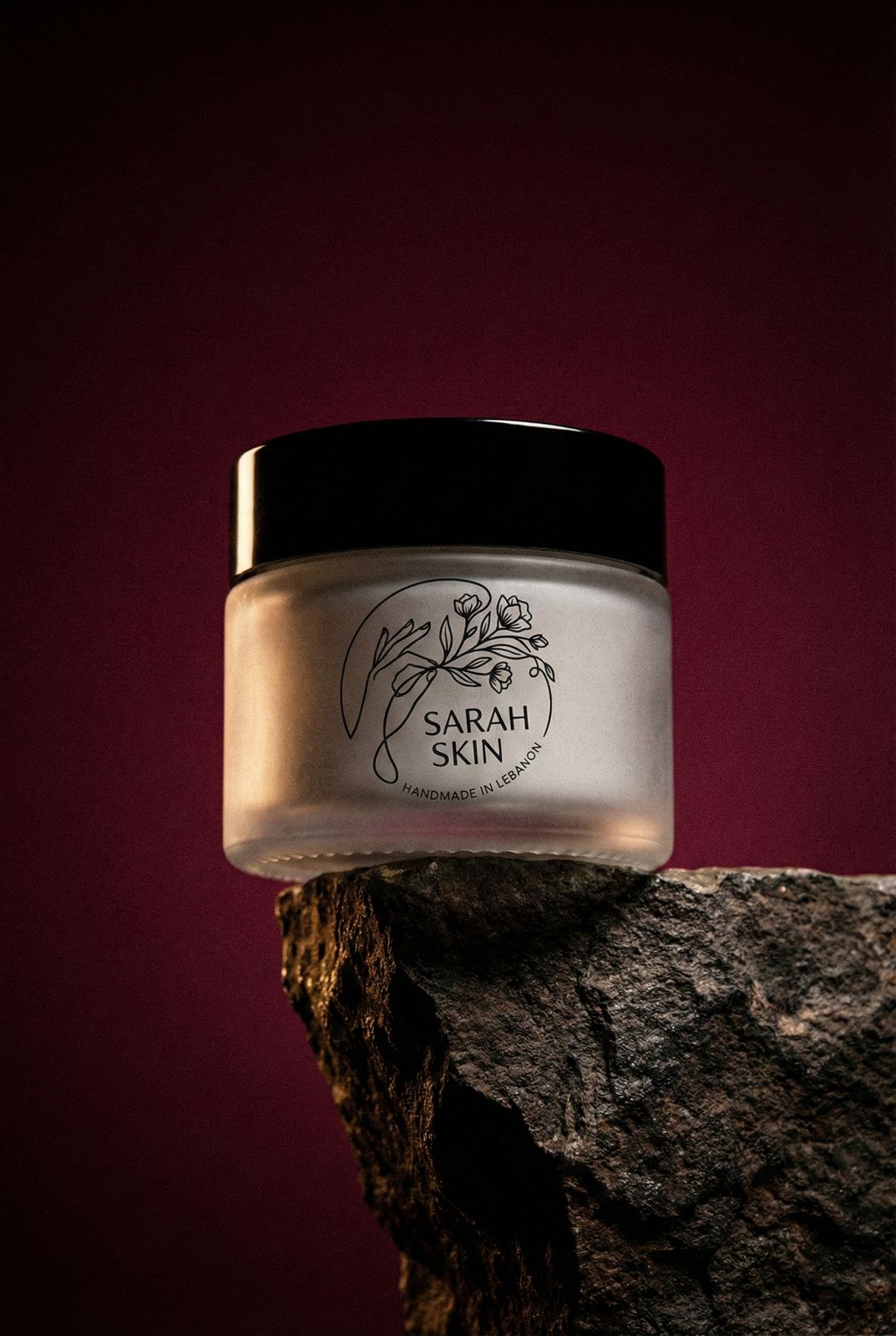
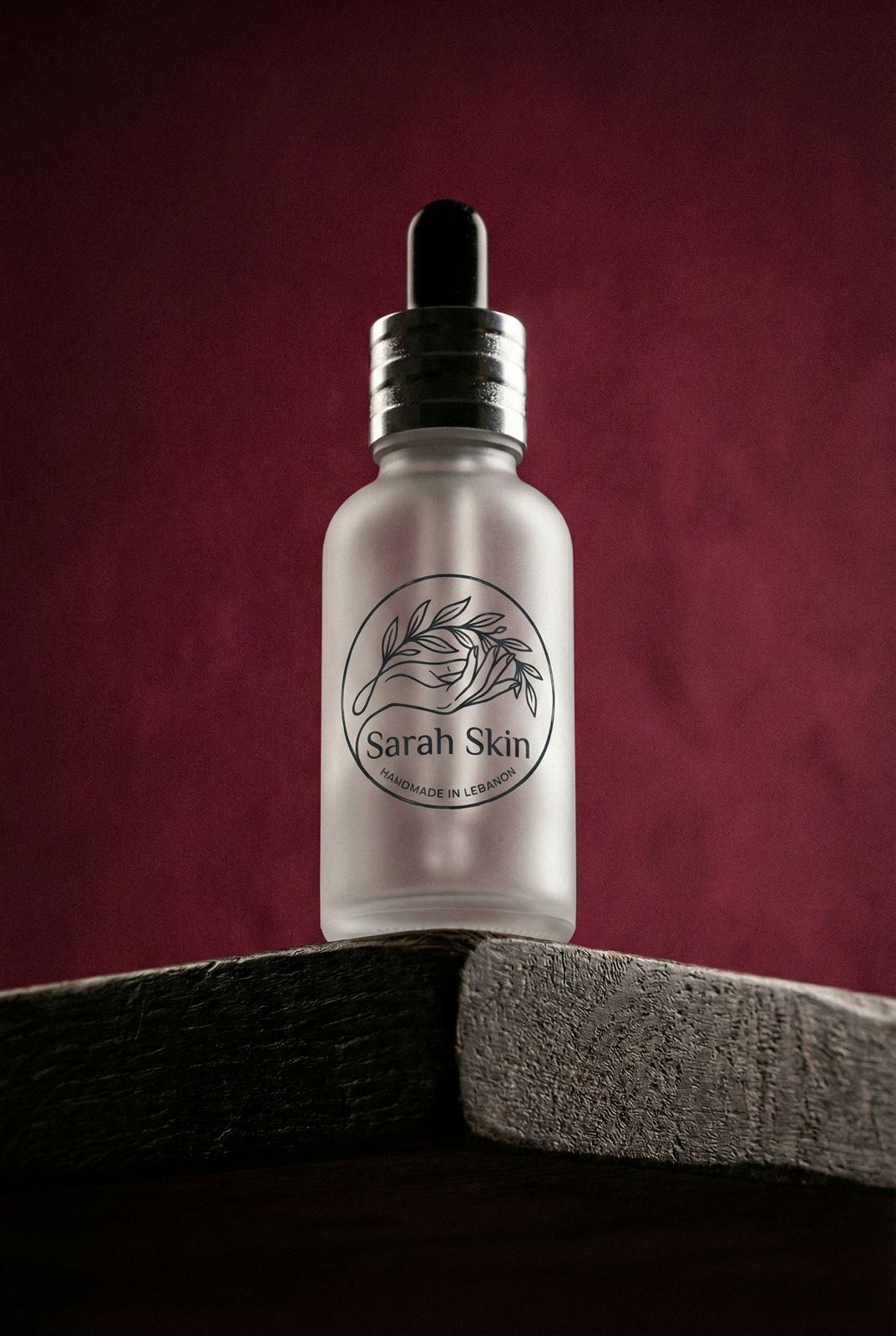
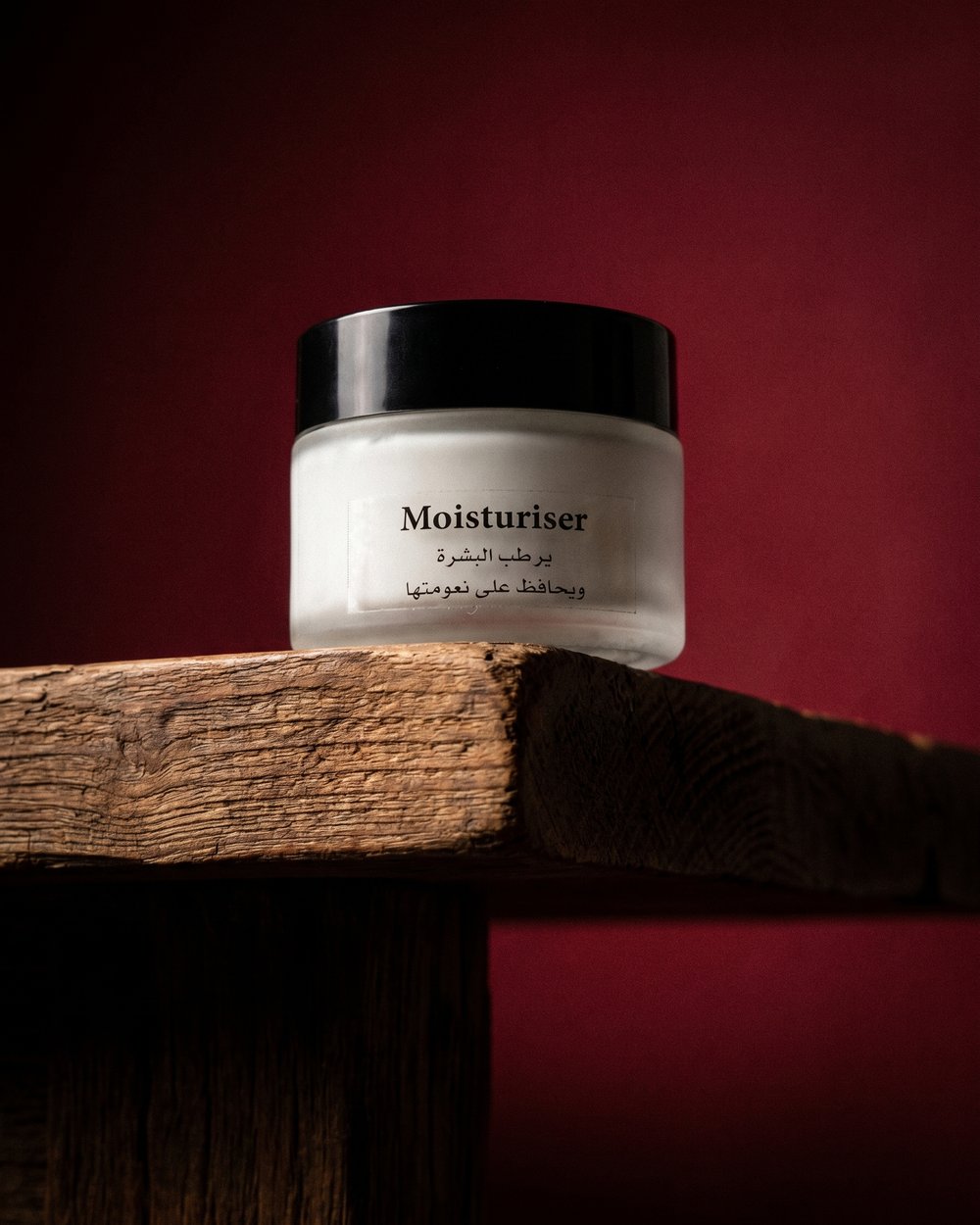
This winter, rather than waiting for your skin to reach a state of distress before responding, consider building a proactive routine that nurtures your skin barrier from the first drop in temperature. Sarah Skin's Daily Moisturiser 50ml is formulated with precisely this philosophy — combining proven humectants with nourishing plant-based emollients in a clean, no-compromise formula designed for everyday use. Light enough for morning wear yet substantive enough to genuinely protect and restore, it fits seamlessly into every step of the routine described in this guide. Made with care from natural ingredients, it is an honest, effective foundation for hydrated, resilient skin through every season.
Scientific References:
1. Rawlings, A.V. & Harding, C.R. (2004). Moisturization and skin barrier function. Dermatologic Therapy, 17(S1), 43–48. https://doi.org/10.1111/j.1396-0296.2004.04S1005.x
2. Verdier-Sévrain, S. & Bonté, F. (2007). Skin hydration: a review on its molecular mechanisms. Journal of Cosmetic Dermatology, 6(2), 75–82. https://doi.org/10.1111/j.1473-2165.2007.00300.x
3. Palma, L., Tavares Marques, L., Bujan, J., & Rodrigues, L.M. (2015). Dietary water affects human skin hydration and biomechanics. Clinical, Cosmetic and Investigational Dermatology, 8, 413–421. https://doi.org/10.2147/CCID.S86822