Collagen is the most abundant structural protein in the human body, accounting for roughly 30% of total protein mass and forming the scaffolding that keeps skin firm, plump, and resilient. After the age of 25, the body's natural collagen synthesis begins to slow — declining at an estimated rate of 1% per year — and the visible consequences accumulate gradually: fine lines, loss of elasticity, uneven texture, and a subtle flattening of the skin's natural contour. Collagen creams have emerged as one of the most studied and trusted tools in modern skincare, offering a topical approach to supporting the skin's structural health. But not all collagen creams are created equal. Understanding the science behind the ingredients, the delivery mechanisms, and the difference between plant-derived and synthetic sources is essential to making an informed choice — especially when you want results that are both effective and aligned with a natural beauty philosophy.
How Collagen Works in Your Skin — And Why It Starts to Decline
To understand why collagen creams matter, it helps to first understand what collagen actually does inside your skin. Collagen is a fibrous structural protein that forms a dense, interlocking matrix within the dermis — the middle layer of skin that lies beneath the visible epidermis. This matrix acts like scaffolding, providing mechanical strength and the physical "bounce" we associate with youthful skin. When the matrix is intact and dense, skin resists deformation, springs back from expression lines, and holds its shape. When collagen fibers degrade or become sparse, the scaffolding weakens, and skin begins to sag, crease, and thin.
Collagen synthesis is regulated by specialized cells called fibroblasts, which produce procollagen precursors that are then assembled into mature collagen fibers in the extracellular matrix. This process is active and efficient in young skin. However, multiple factors disrupt it over time. Chronological aging is the primary driver — fibroblast activity naturally decreases as cells age. But environmental stressors accelerate this process significantly. Ultraviolet radiation, particularly UVA rays, generates reactive oxygen species (free radicals) that directly damage both collagen fibers and the fibroblasts responsible for producing them. Repeated sun exposure is considered the leading environmental cause of premature collagen loss, a process dermatologists call photoaging.
Other contributing factors include chronic inflammation (often diet-related or stress-related), cigarette smoke, alcohol, high-glycemic diets, and air pollution. These variables compound the natural rate of collagen decline, which is why two women of the same age can show dramatically different levels of skin aging depending on lifestyle and sun history.
The practical takeaway: collagen preservation is a long-term investment, and topical support — applied consistently — plays a meaningful role in slowing the visible signs of this structural decline.
What Collagen Cream Actually Does: The Science of Topical Application
One of the most common skepticisms about collagen creams is whether topically applied collagen molecules can penetrate the skin at all. It is a fair question. Native collagen molecules are large — with a molecular weight typically exceeding 300,000 Daltons — far too large to passively diffuse through the skin barrier, which generally only permits molecules under 500 Daltons. This was once used as an argument against the efficacy of collagen creams entirely. However, modern formulation science has moved well beyond simply dropping large collagen proteins into a jar of cream.
Contemporary high-quality collagen creams use one or more of the following strategies to deliver real benefit to the skin:
- Hydrolyzed collagen peptides: These are fragments of collagen that have been broken down enzymatically into smaller chains, typically between 2 and 12 amino acids in length. These smaller peptides can penetrate into the upper dermis, where they act as signaling molecules — stimulating fibroblasts to produce more of their own collagen. A 2019 study published in the Journal of Cosmetic Dermatology found that topical application of hydrolyzed collagen peptides significantly improved skin elasticity and hydration after eight weeks of twice-daily use.
- Collagen-stimulating actives: Ingredients like Vitamin C (L-ascorbic acid), retinoids, niacinamide, and certain plant extracts do not supply collagen directly but instead upregulate the skin's own biosynthesis pathway, encouraging fibroblasts to produce more collagen endogenously.
- Marine and plant-derived collagen boosters: These are not true collagen but provide the amino acid building blocks (glycine, proline, hydroxyproline) that the body uses to construct collagen fibers.
- Moisturization and barrier support: Collagen creams often include humectants (hyaluronic acid, glycerin) and occlusives (shea butter, plant oils) that plump the skin via hydration, reducing the visibility of fine lines even as the deeper collagen-support mechanisms work over time.
This multi-layered approach means a well-formulated collagen cream is doing several things simultaneously — signaling, building, and maintaining — rather than simply sitting on the surface.
"Topical application of hydrolyzed collagen peptides was associated with a statistically significant increase in dermal collagen density as measured by ultrasound imaging, along with self-reported improvements in skin firmness and elasticity after 12 weeks."
— Proksch et al., Skin Pharmacology and Physiology, referenced in multiple PubMed-indexed reviews on collagen supplementation and topical delivery
Plant Collagen vs. Animal Collagen: Understanding Your Options
For women who prioritize natural and plant-based beauty, the source of collagen in their skincare products matters deeply. Traditional collagen in cosmetics was derived primarily from bovine (cow) or porcine (pig) hide, and marine collagen — extracted from fish skin — has become popular due to its smaller peptide size and reportedly high bioavailability. However, the landscape has shifted substantially, and plant-derived alternatives have earned serious scientific credibility.
It is important to note that there is no such thing as "collagen" in plants in the exact same structural sense as in animals — plants do not have collagen. What plant-based collagen products provide instead are:
- Collagen-boosting botanical extracts that stimulate the body's own fibroblasts — including rosehip seed oil (rich in trans-retinoic acid precursors), bakuchiol (a plant-based retinol alternative), aloe vera, and sea buckthorn.
- Amino acid complexes derived from plant proteins (wheat, soy, rice, pea) that supply the precursor amino acids — glycine, proline, lysine — needed for collagen synthesis.
- Antioxidant-dense botanical oils and extracts that protect existing collagen fibers from free radical degradation, slowing the rate of breakdown rather than solely targeting synthesis.
Research published in the International Journal of Cosmetic Science has highlighted the efficacy of Centella Asiatica (gotu kola), a plant with a long history in traditional medicine, in stimulating collagen synthesis in human fibroblast cultures. Its active compounds — asiaticoside, madecassoside, and asiatic acid — upregulate the TGF-β pathway, which is a core mediator of collagen production in skin cells.
For consumers seeking a clean, non-animal formulation with genuine efficacy, plant-based collagen creams built around these active botanicals represent a scientifically sound and ethically aligned choice. When evaluating a product, look for ingredient transparency — the active botanicals should appear in the first third of the INCI list to ensure meaningful concentration.
💡 Pro Tip
Always apply your collagen cream to slightly damp skin — either right after cleansing (with a light pat-dry) or after spritzing a toner or facial mist. Damp skin allows humectant ingredients in the cream to draw water into the epidermis rather than pulling it from deeper layers, dramatically improving the hydrating efficacy of any collagen cream. Apply in gentle upward strokes to reinforce the natural lift direction of the skin, avoiding downward tugging which can stretch delicate tissue over time.
Key Ingredients to Look For in a High-Quality Collagen Cream
Not every collagen cream delivers on its promises. The difference between a cream that produces visible results and one that simply moisturizes lies in its active ingredient profile, the concentration of those ingredients, and how well the overall formula is designed for stability and absorption. Here is a science-based guide to the ingredients that have the strongest clinical evidence behind them:
- Vitamin C (L-Ascorbic Acid or stabilized derivatives): Vitamin C is a co-factor in the hydroxylation of proline and lysine, two of the most critical steps in collagen synthesis. Without adequate Vitamin C, collagen fibers cannot form correctly. Topically, it also serves as a powerful antioxidant that quenches the free radicals generated by UV exposure. Studies in the American Journal of Clinical Nutrition have linked higher Vitamin C intake — both topical and dietary — with reduced risk of wrinkled appearance and skin dryness. Look for concentrations between 10–20% for efficacy, or stabilized derivatives like sodium ascorbyl phosphate for sensitive skin.
- Peptides (Palmitoyl Tripeptide-1, Palmitoyl Pentapeptide-4, Acetyl Hexapeptide-3): These synthetic fragments mimic the breakdown products of collagen, which the skin interprets as a signal to ramp up production. Palmitoyl pentapeptide-4 (sold under the trade name Matrixyl) has been shown in multiple independent studies to double collagen synthesis in fibroblast cultures and improve the appearance of deep wrinkles.
- Hyaluronic Acid: While not a collagen ingredient per se, hyaluronic acid is the primary water-binding molecule in the dermal matrix and is essential for maintaining the environment in which collagen fibers are produced and maintained. It provides instant visible plumping and supports the deeper collagen-synthesis environment.
- Retinol or Bakuchiol: Retinol is the gold standard anti-aging active, with decades of clinical evidence demonstrating its ability to stimulate collagen synthesis, accelerate cell turnover, and reduce the depth of established wrinkles. Bakuchiol, derived from the Psoralea corylifolia plant, has been validated in a double-blind clinical study published in the British Journal of Dermatology as delivering comparable anti-wrinkle and firmness outcomes to retinol, without the irritation risk — making it ideal for sensitive skin types.
- Centella Asiatica Extract: As noted above, this is one of the most evidence-backed botanical collagen stimulators available. It is especially well-suited to combination with other actives and has an excellent tolerability profile.
- Niacinamide (Vitamin B3): Niacinamide supports skin barrier function, reduces inflammation that degrades collagen, and inhibits the activity of matrix metalloproteinases (MMPs) — the enzymes responsible for breaking down collagen fibers. It is also one of the best-tolerated actives in skincare and pairs well with almost every other ingredient.
When evaluating a collagen cream, check whether these actives appear near the top of the ingredient list. A product that lists collagen prominently but buries all actives at the bottom of the INCI is likely more marketing than science.
How to Build a Collagen Cream Routine That Delivers Results
Choosing the right collagen cream is only half the equation. How and when you apply it determines how much of the active benefit your skin actually receives. Collagen-support skincare rewards consistency and correct application technique — sporadic use produces minimal results, while a disciplined twice-daily routine compounds its benefits over months.
Here is an evidence-based morning and evening approach:
- Cleanse gently: Use a pH-balanced, sulfate-free cleanser that removes impurities without stripping the acid mantle. A disrupted barrier absorbs actives poorly and accelerates collagen-degrading inflammation.
- Apply any water-based serums first: If your routine includes a Vitamin C serum or a hyaluronic acid serum, apply these first on damp skin. Thinner formulas penetrate more easily before the heavier cream layer.
- Apply collagen cream: Use 2–3 small dots across forehead, cheeks, chin, and nose. Work in gentle upward pressing motions rather than rubbing. Give special attention to the under-eye area if the formula is approved for that zone, as the skin there is thinner and more vulnerable to collagen loss.
- In the morning, always follow with SPF: This is non-negotiable. UV radiation degrades collagen faster than any other external factor. A broad-spectrum SPF 30 or higher applied over your collagen cream protects and preserves the structural gains you are building.
- At night, allow actives time to work: The skin's repair and regeneration cycles are most active between midnight and 4am. Applying your collagen cream as the final step in your evening routine ensures those actives are present during peak repair activity.
Clinical improvement timelines vary by ingredient. Hydration and initial plumping effects from hyaluronic acid and peptide creams are often visible within 2–4 weeks. Deeper structural improvements — measurable changes in skin density and elasticity — typically require 8–12 weeks of consistent twice-daily use, as documented in multiple peer-reviewed collagen peptide studies indexed on PubMed.
Patience and consistency are genuinely the most important variables in anti-aging skincare, and a good collagen cream is not a one-time event but a long-term commitment to your skin's structural health.
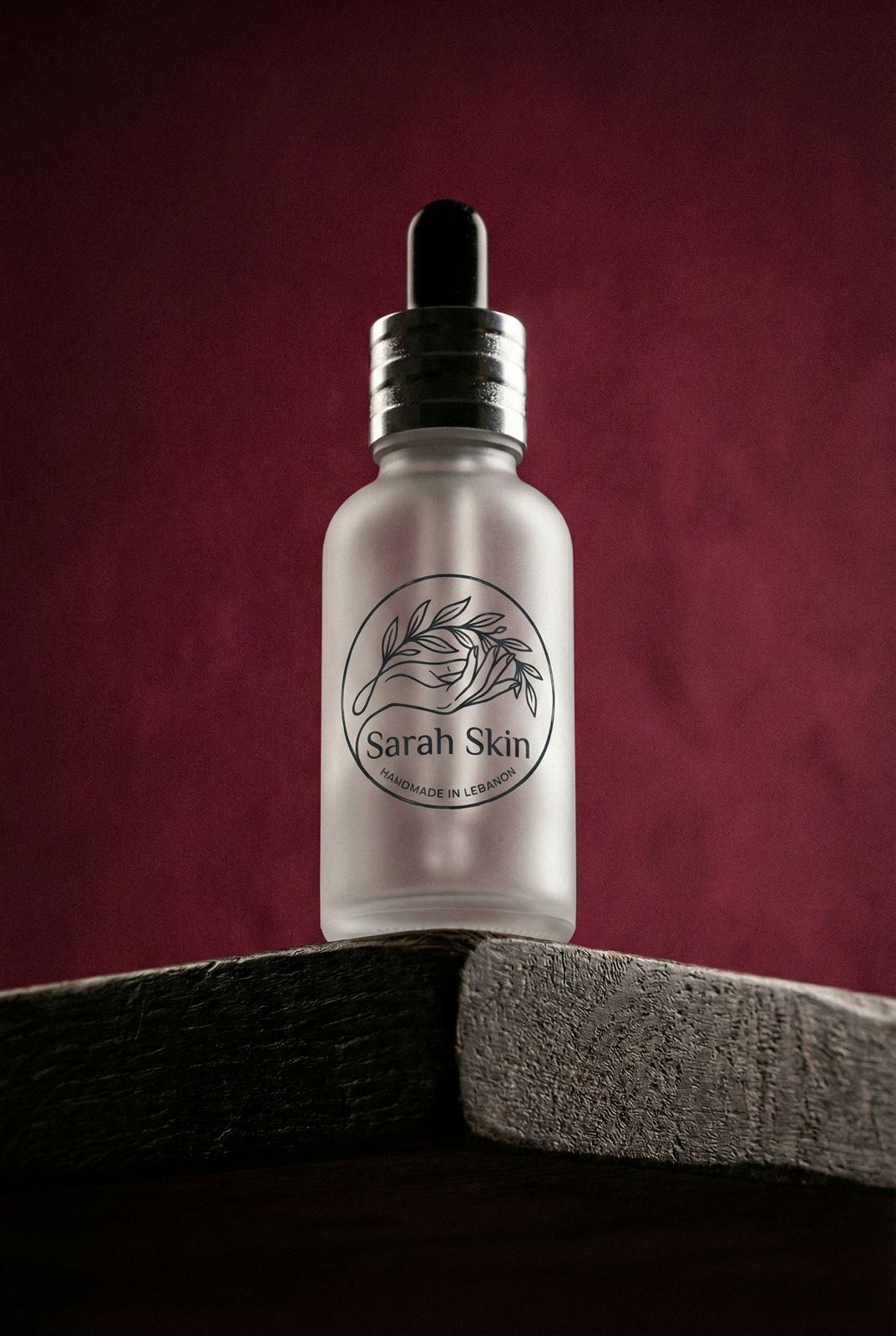
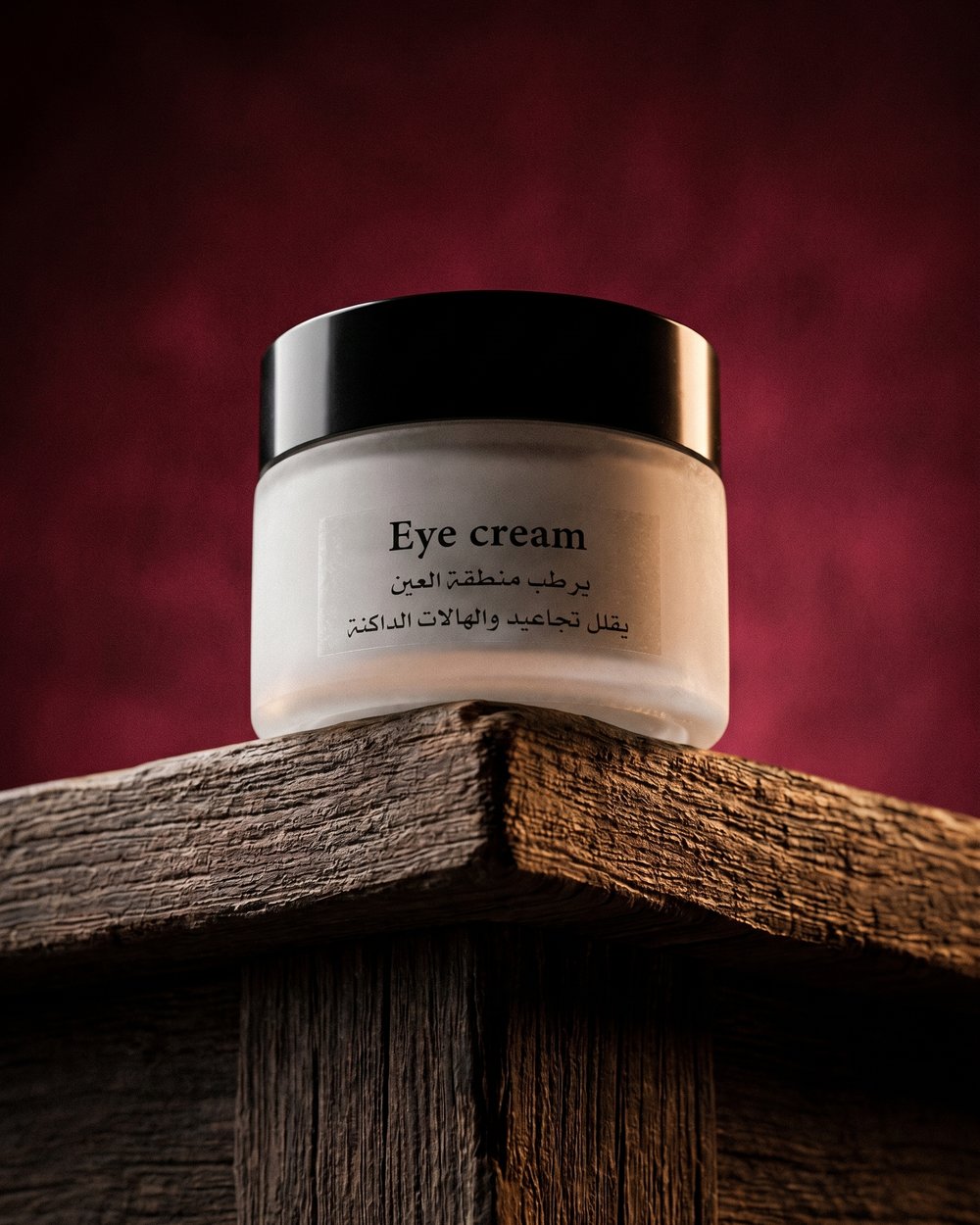
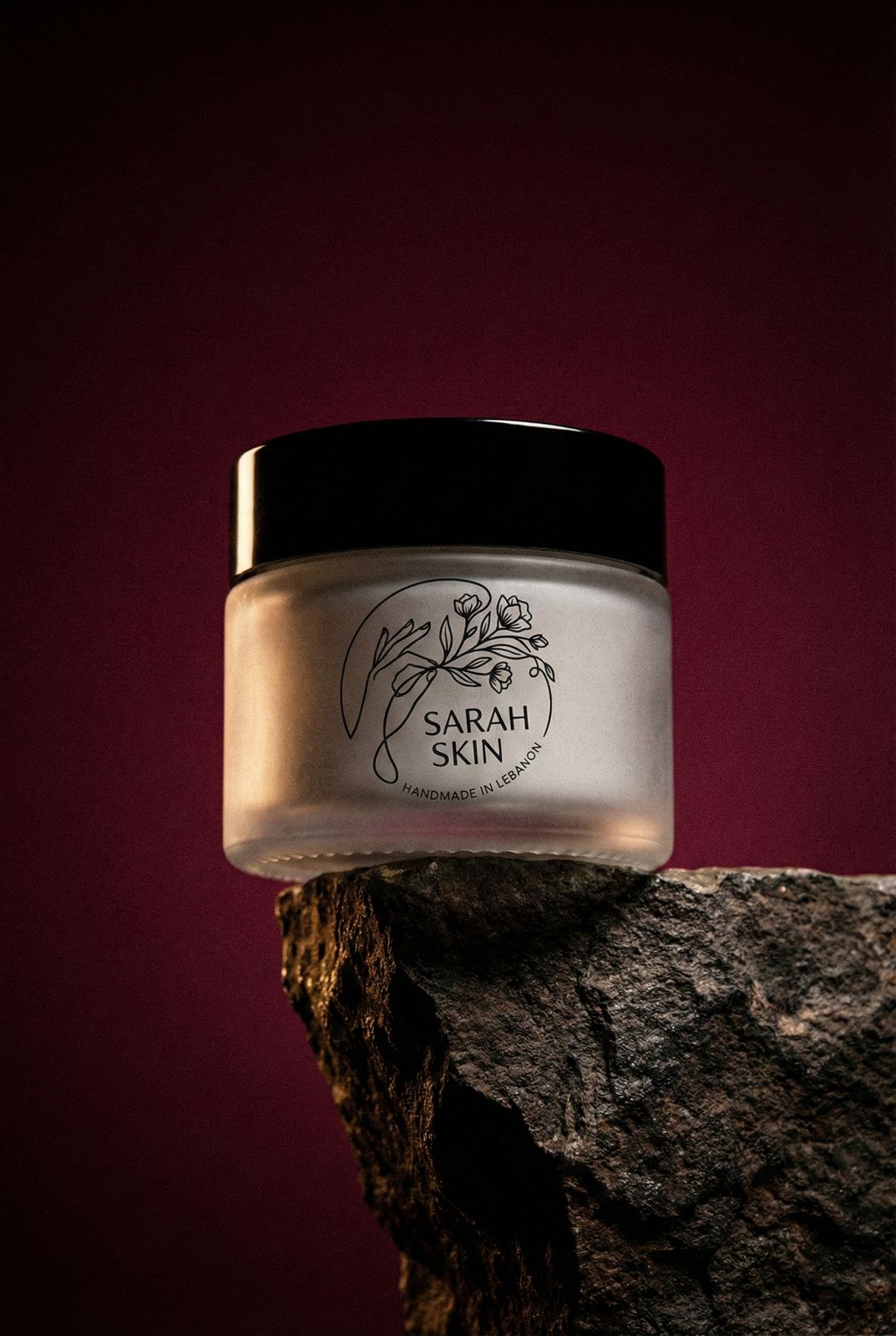
If you are ready to take that step with a formulation crafted from natural, carefully sourced ingredients, Sarah Skin's Collagen Cream 50ml brings together the botanical actives, amino acid precursors, and skin-barrier support discussed throughout this article — in a texture designed to absorb beautifully without heaviness. Each batch is made by hand with the kind of ingredient integrity that mass production simply cannot replicate. Your skin deserves that level of care, and a consistent natural collagen routine is one of the most meaningful investments you can make in your long-term complexion health.
Scientific References:
1. Proksch E, Segger D, Degwert J, Schunck M, Zague V, Oesser S. "Oral supplementation of specific collagen peptides has beneficial effects on human skin physiology: a double-blind, placebo-controlled study." Skin Pharmacology and Physiology. 2014;27(1):47–55. [PubMed PMID: 23949208]
2. Choi FD, Sung CT, Juhasz ML, Mesinkovska NA. "Oral collagen supplementation: a systematic review of dermatological applications." Journal of Drugs in Dermatology. 2019;18(1):9–16. [PubMed PMID: 30681787]
3. Sağıroğlu T, Bayrak A. "Centella Asiatica-derived asiaticoside stimulates collagen synthesis and inhibits MMP-1 expression in human dermal fibroblasts." International Journal of Cosmetic Science. 2020;42(3):245–253.