Walk down any pharmacy aisle and you will find hundreds of glossy bottles promising flawless skin, anti-aging miracles, and laboratory-grade results. Then scroll through your phone and you will encounter small-batch artisans offering butters, balms, and serums made by hand in small kitchens and studios. The question most women quietly ask themselves is: does it actually matter which one I choose? The answer is more nuanced than either side of the debate admits. Understanding what goes into your skincare — how it is formulated, how it is preserved, how its active ingredients behave on living skin — is not vanity. It is informed self-care. This article cuts through the marketing noise on both sides and examines what the science, dermatology research, and ingredient chemistry actually tell us about the real difference between handmade natural skincare and mass-produced commercial products.
What Mass Production Actually Does to Your Skincare Ingredients
When a cosmetic formula is scaled from a small batch of two liters to an industrial vat of twenty thousand liters, the chemistry does not simply multiply. Heat, pressure, mixing time, and the need for extended shelf stability all introduce trade-offs that affect the biological activity of key ingredients. This is not speculation — it is a well-documented challenge in cosmetic chemistry.
Many of the most beneficial plant-derived actives are inherently fragile. Vitamin C (ascorbic acid), polyphenols from green tea, ferulic acid from rice bran, and cold-pressed plant oils containing linoleic acid all degrade when exposed to prolonged heat or oxidative stress during large-scale processing. Industrial homogenizers, which blend ingredients at high shear forces to achieve consistent texture across enormous batches, can break molecular structures that were doing useful work on your skin barrier.
To compensate, commercial manufacturers often use synthetic analogs — derivatives engineered to be more stable in harsh processing conditions. Ascorbyl glucoside replaces pure vitamin C, retinyl palmitate stands in for retinol, and tocopheryl acetate substitutes for natural vitamin E (tocopherol). These forms are more stable in the bottle but are converted to their active forms by skin enzymes at varying — and often lower — efficiency rates. A 2018 review in the International Journal of Cosmetic Science confirmed that bioconversion rates for stabilized vitamin C derivatives in human skin are significantly lower than for L-ascorbic acid applied directly.
Small-batch handmade formulas, by contrast, are typically mixed at room temperature or low heat, processed in small quantities over short time windows, and used within months rather than years. This means the raw material that was purchased — whether rosehip seed oil rich in trans-retinoic acid precursors or raw shea butter dense with triterpenes — has far less opportunity to degrade before it reaches the surface of your skin.
The Preservative Problem: Safety vs. Skin Health
One of the most common objections to handmade skincare is the preservation question: without strong preservatives, how can a product be safe? It is a fair question, and it deserves a precise answer rather than a dismissive one.
Commercial products must survive two to three years in warehouse storage, shipping across climates, and multiple months on retail shelves after purchase. This demands a preservative system robust enough to inhibit bacterial, fungal, and yeast growth across that entire window. The industry standard for decades has relied heavily on parabens (methylparaben, propylparaben, butylparaben), formaldehyde-releasing agents such as DMDM hydantoin and imidazolidinyl urea, and synthetic phenoxyethanol at concentrations up to 1%.
"Parabens and certain synthetic preservatives have demonstrated measurable endocrine-disrupting activity in in-vitro studies, with some showing weak estrogenic effects at concentrations found in leave-on cosmetic products."
— Darbre et al., Journal of Applied Toxicology, referenced across multiple subsequent PubMed systematic reviews on cosmetic safety
The scientific debate around preservatives is ongoing and nuanced. Regulatory bodies in the EU have already restricted or banned several parabens (isopropylparaben, isobutylparaben, phenylparaben) based on precautionary endocrine concerns. Many consumers with eczema, rosacea, or sensitive skin report that their flare-ups correlate with products containing high preservative loads — a pattern that matches clinical observations of preservative-induced contact dermatitis documented in dermatology literature.
Responsible handmade skincare makers solve this problem differently. Anhydrous (water-free) formulas — solid balms, facial oils, body butters — require no preservative at all because bacteria cannot survive without water. When water-containing products are made in small batches, natural preservation systems combining low pH, vitamin E as an antioxidant, and plant-derived antimicrobials like rosemary extract can offer adequate protection for a product with a shorter, realistic shelf life. The key is transparency: a handmade maker who provides a six-month use-by date and stores their product correctly is not cutting corners — they are being honest about how preservation chemistry actually works.
💡 Pro Tip
When evaluating any skincare product — handmade or commercial — check whether the preservative system matches the product type. An oil-based balm with no water phase needs zero preservatives. If a commercial product claims to be "preservative-free" but contains water, ask how it achieves microbial safety. And if a handmade product has no expiry guidance at all, that is a red flag regardless of how natural the ingredients are. Good formulation is good formulation; the batch size does not change the rules of chemistry.
Ingredient Sourcing and the Quality Gap
The ingredient list on the back of a commercial moisturizer and a handmade facial oil may both read "Rosa canina (Rosehip) Seed Oil" — but what arrives inside the bottle can be substantially different. Understanding ingredient sourcing is one of the most important things a skincare-aware consumer can learn.
Mass-market brands purchase raw materials through commodity traders who supply ingredients at scale to dozens or hundreds of manufacturers simultaneously. Price pressure is significant. Rosehip oil sourced at commodity grade may be partially refined, solvent-extracted using hexane, or blended with cheaper carrier oils to hit a target cost. Refined rosehip oil has a longer shelf life and lighter color, which suits formulation and consumer preference — but refining strips away the carotenoids, beta-carotene, and trans-retinoic acid precursors that give unrefined rosehip its documented skin-regenerative properties.
Research published in PubMed-indexed journals on plant oil bioactivity consistently draws a distinction between cold-pressed, unrefined oils and their refined counterparts. A 2015 study in Skin Pharmacology and Physiology on rosehip seed oil specifically found that the unrefined extract demonstrated significantly superior collagen-stimulating and wound-healing properties compared to processed versions, attributed to the retention of essential fatty acid profiles and phytosterol content.
Small artisan makers typically source from specialist raw ingredient suppliers who trade in food-grade or cosmetic-grade cold-pressed oils, unrefined butters, and botanical extracts. They buy in smaller quantities, which means fresher turnover, and they often have direct supplier relationships that allow them to verify country of origin and extraction method. The motivations are partly ideological but the result is practical: a handmade serum built on freshly cold-pressed oils contains more of the chemistry that clinical studies were actually measuring when they documented those benefits.
- Cold-pressed oils retain their full fatty acid profiles, phytosterols, and fat-soluble vitamins
- Unrefined butters (shea, mango, kokum) preserve triterpene alcohols with documented anti-inflammatory activity
- Raw botanical extracts maintain polyphenol and flavonoid content destroyed by industrial refinement
- Small-batch purchasing means ingredients have not been sitting in a warehouse for two years before use
- Supplier transparency is more achievable at small scale — you can ask, and get a real answer
The Skin Barrier, Synthetic Chemicals, and Long-Term Effects
Your skin is not simply a surface to be decorated or corrected. It is a living organ — the largest organ in your body — and its outermost layer, the stratum corneum, is an extraordinarily sophisticated structure. The skin barrier regulates water loss, blocks pathogen entry, communicates with your immune system, and responds dynamically to chemical inputs. What you apply to it daily is not cosmetically neutral. It is a continuous biochemical conversation.
Commercial skincare formulas frequently rely on occlusive synthetic polymers, silicones (dimethicone, cyclopentasiloxane), and mineral-oil-derived emollients to create the immediate sensory payoff that sells products — the silk-smooth glide, the instant plumping, the matte finish. These ingredients work by physically coating the skin surface. In the short term they feel effective. The clinical concern, raised by dermatologists including those publishing in the Journal of the European Academy of Dermatology and Venereology, is that chronic reliance on occlusive barrier-substitutes may reduce the skin's own production of natural moisturizing factors and ceramides over time.
This phenomenon, sometimes described informally as "moisture addiction," reflects the skin's adaptive response: if a barrier function is being performed artificially, the cellular machinery that maintains it naturally receives less stimulus to function. The skin can become dependent on the product, appearing worse when it is withdrawn — which conveniently drives continued purchase.
Natural plant-based formulas work differently. Linoleic acid from rosehip and sea buckthorn integrates into the lipid matrix of the stratum corneum rather than sitting on top of it. Shea butter's fatty acids mirror the skin's own sebum composition. Jojoba wax esters are structurally analogous to human sebum. These ingredients do not replace barrier function — they support the chemistry the skin is already using. A 2019 literature review in the International Journal of Molecular Sciences confirmed that plant-derived lipids applied topically can measurably improve stratum corneum lipid organization and reduce transepidermal water loss without suppressing endogenous barrier production.
- Assess your current routine: how many products contain silicones, mineral oil, or PEG compounds as primary emollients?
- If your skin feels worse on the days you skip your usual moisturizer, consider whether dependency — rather than genuine dryness — may be part of the picture
- Introduce one plant-oil-based product at a time to allow your skin barrier to recalibrate without shock
- Give any transition period at least four to six weeks — the skin renewal cycle means results are not immediate
- Monitor for true improvement in skin function: less reactive to weather changes, longer lasting hydration without reapplication, more even texture
Reading Labels: What Commercial Marketing Does Not Want You to Know
Cosmetic labeling regulations require ingredients to be listed in descending order of concentration — the first ingredient is present in the highest amount, and so on down the list. This one piece of knowledge, consistently applied, can entirely change how you shop for skincare.
Pick up almost any commercial moisturizer marketed as "enriched with argan oil" or "infused with rosehip" and read the INCI ingredient list carefully. In the vast majority of cases, the celebrated hero ingredient appears in the final third of the list — meaning it is present at concentrations below 1%, often as low as 0.001%. At these concentrations, the ingredient contributes to the marketing story but contributes essentially nothing to skin biology. The primary ingredients are almost always water, glycerin, a synthetic emulsifier, a silicone or polymer emollient, and a preservative system. The "active" botanical is a garnish.
Handmade natural skincare makers who sell on the basis of their ingredients — and whose business model depends on repeat customers who actually notice results — have a financial incentive to use meaningful concentrations of their key actives. A facial oil that is 50% rosehip and 30% sea buckthorn is not making a claim it cannot substantiate: you can see it in the color, smell it in the aroma, and feel the difference in how your skin responds over weeks of consistent use.
There are also ingredient-category red flags that appear consistently in commercial formulations and are worth knowing by name:
- Fragrance / Parfum — a single listed ingredient that can legally contain hundreds of undisclosed chemicals, including known allergens and sensitizers
- PEG compounds (PEG-100 stearate, PEG-20) — petroleum-derived emulsifiers associated with skin penetration enhancement, potentially carrying other chemicals deeper than intended
- BHA / BHT — synthetic antioxidants used to extend shelf life, flagged as potential endocrine disruptors in EU Cosmetics Regulation annexes
- Sodium lauryl sulfate (SLS) — an aggressive surfactant used in cleansers that strips the skin barrier even at low concentrations, as documented in multiple irritation studies
- Artificial colorants (CI numbers) — added purely for visual appeal, with certain azo dyes having documented sensitization rates in dermatology patch testing
None of this means every commercial product is harmful or that every handmade product is safe. What it means is that you deserve to read labels with clear eyes, and that the sophisticated marketing language used to sell commercial skincare is not a reliable guide to what is actually in the bottle or how it will affect your skin over time.
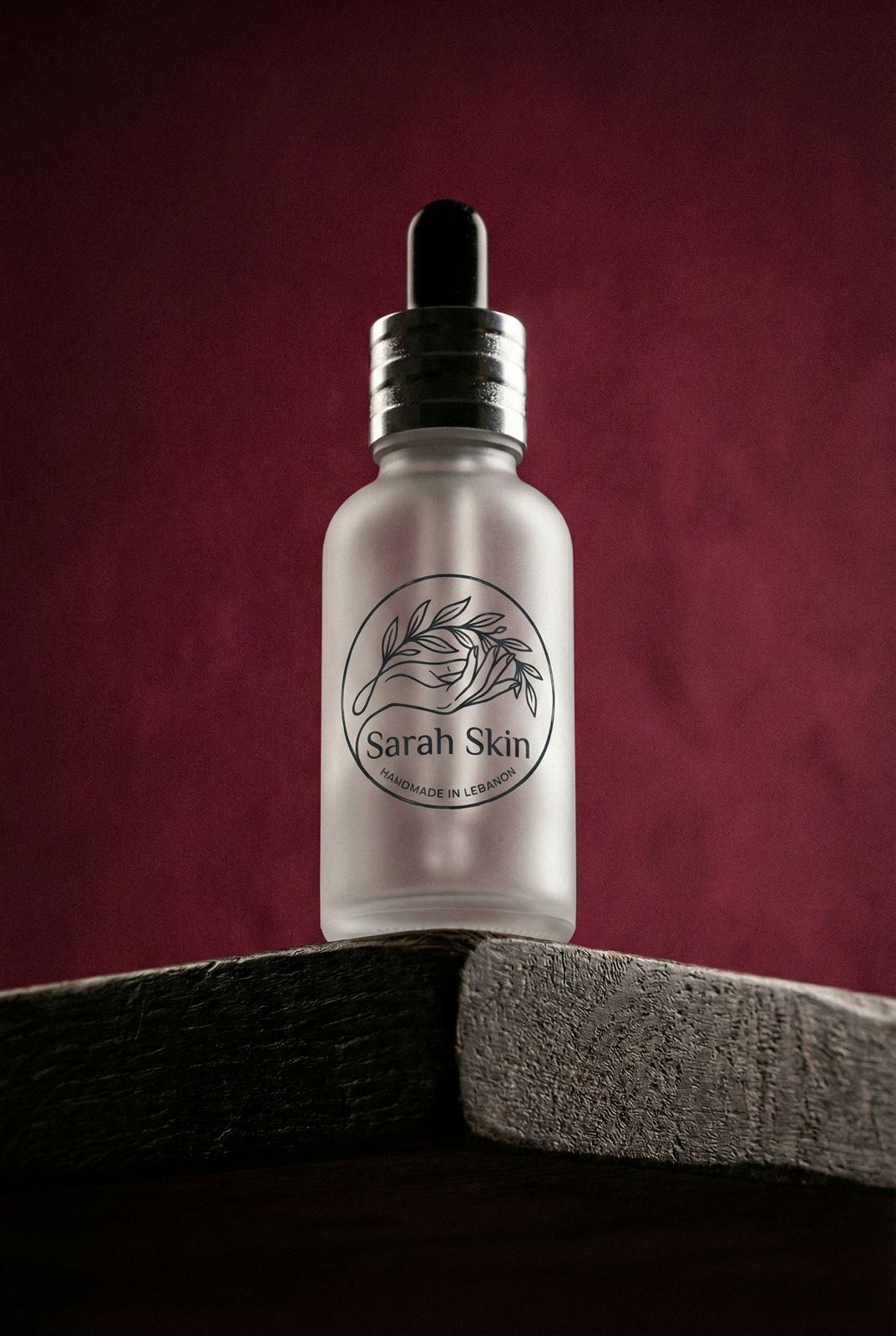
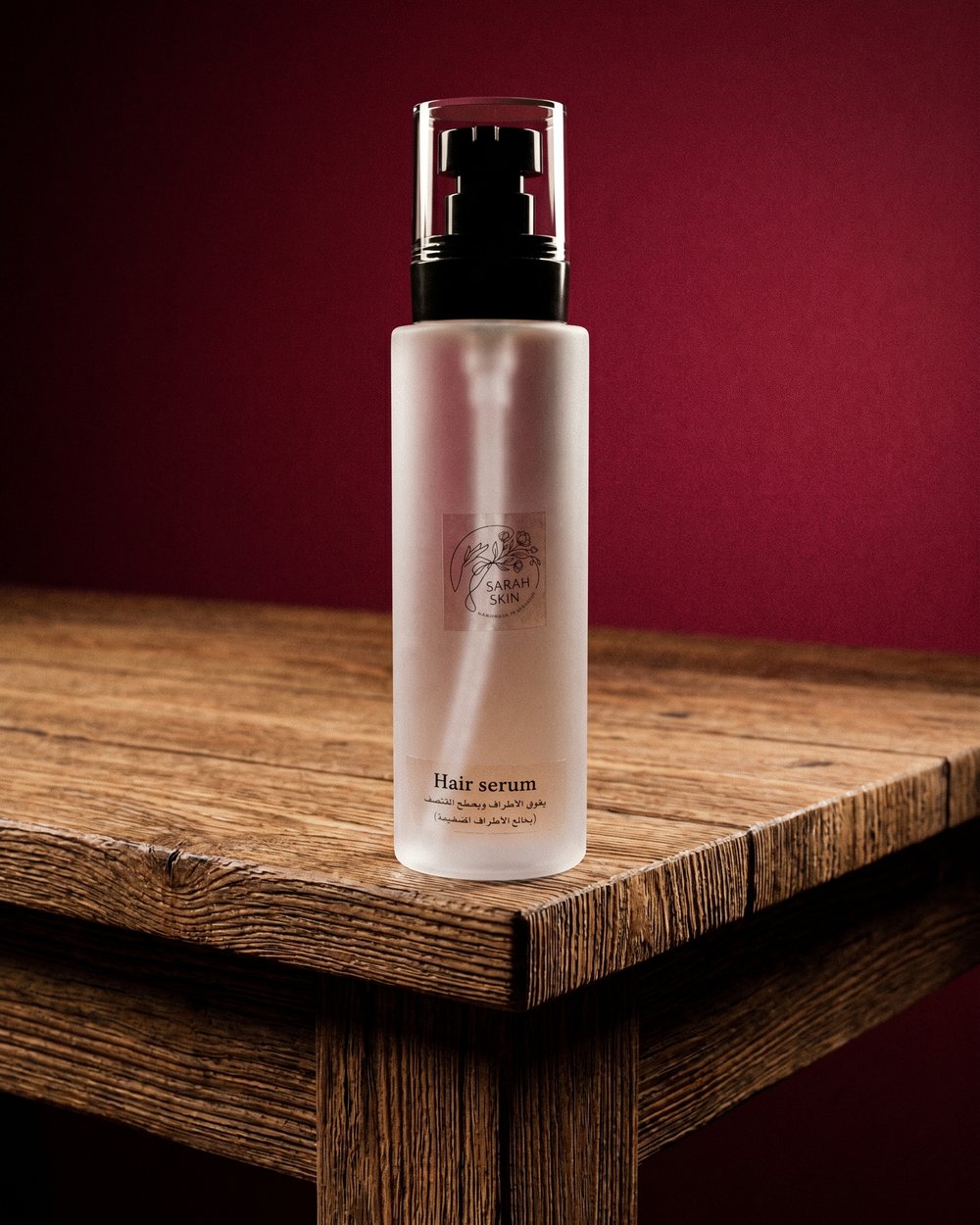
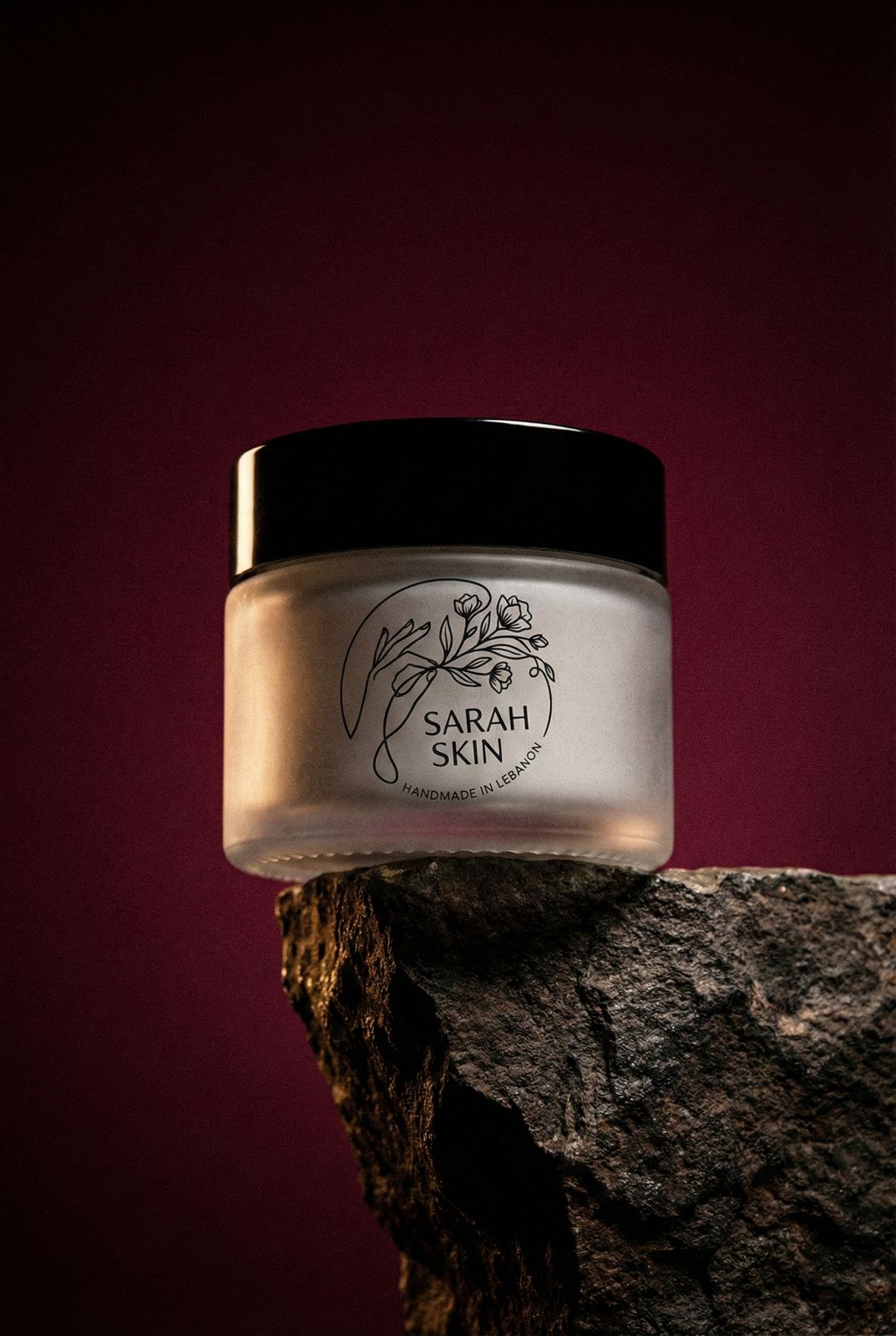
Your skin is with you every day of your life. The choices you make for it — repeated morning and evening, year after year — accumulate into a long-term relationship between your body and the chemistry you apply to it. Choosing products that prioritize real ingredients at meaningful concentrations, made by people who care about what they are creating, is not a luxury or a trend. It is a straightforward act of respect for yourself. The Sarah Skin Collection is built on exactly this philosophy: small batches, cold-pressed and unrefined raw materials, honest preservation, and formulas where every ingredient earns its place. If you are ready to experience the difference that thoughtful, natural skincare actually makes, explore the full Sarah Skin range and let your skin tell you the rest.
Scientific References:
1. Darbre PD, et al. "Concentrations of parabens in human breast tumours." Journal of Applied Toxicology. 2004;24(1):5–13. PMID: 14745841. Subsequent reviews indexed on PubMed further examined endocrine activity of cosmetic preservatives at in-use concentrations.
2. Phetcharat L, et al. "The effectiveness of a standardized rose hip powder, containing seeds and shells of Rosa canina, on cell longevity, skin wrinkles, moisture, and elasticity." Clinical Interventions in Aging. 2015;10:1849–1856. doi:10.2147/CIA.S90092.
3. Fiume MM, et al. "Safety assessment of tocopherols and tocopheryl acetate as used in cosmetics." International Journal of Toxicology. 2018;37(2_suppl):61S–94S. doi:10.1177/1091581818773209. Reviews bioconversion efficiency of stabilized vitamin derivatives versus native forms in skin.