Dull skin, uneven tone, and stubborn dark spots are among the most common skincare concerns — and they rarely respond to a single ingredient or quick fix. A well-formulated brightening serum works differently from ordinary moisturizers: its concentrated active compounds penetrate deeper layers of the epidermis to interrupt melanin overproduction, accelerate cell turnover, and restore the skin's natural luminosity from within. Unlike harsh bleaching agents or chemical peels that strip the skin barrier, a natural brightening approach relies on botanicals and vitamins that have been validated by dermatological research. Whether you are dealing with post-acne hyperpigmentation, sun-induced discoloration, or the kind of persistent greyness that comes from stress and environmental pollution, understanding how a brightening serum actually works — and which ingredients do the heavy lifting — is the first step toward genuinely radiant skin.
What Is a Brightening Serum and How Does It Work?
A brightening serum is a lightweight, high-concentration skincare formula designed to address uneven pigmentation at its source. Unlike a moisturizer, which primarily works on the surface to hydrate and seal the skin barrier, a serum contains smaller molecular-weight actives that are able to penetrate through the stratum corneum and into the deeper epidermal layers where melanin synthesis takes place.
Melanin — the pigment responsible for skin color — is produced by specialized cells called melanocytes. When the skin is exposed to UV radiation, inflammation, or hormonal fluctuations, melanocytes go into overdrive, producing localized concentrations of pigment that we see as dark spots, melasma, or post-inflammatory hyperpigmentation (PIH). A high-quality brightening serum targets this process through several complementary mechanisms:
- Tyrosinase inhibition: Tyrosinase is the enzyme that catalyzes the first step of melanin biosynthesis. Many plant-derived actives — including niacinamide, alpha-arbutin, and certain fruit acids — have been shown to inhibit this enzyme, thereby reducing the amount of new pigment formed.
- Accelerated cell turnover: By encouraging the skin to shed its outermost layer more rapidly, brightening serums help move hyperpigmented cells to the surface and off the skin faster, revealing fresher, more evenly toned skin beneath.
- Antioxidant protection: Free radical damage from UV exposure and pollution triggers melanin overproduction as a defensive response. Antioxidant-rich serums neutralize these free radicals before they can trigger the pigment cascade.
- Barrier reinforcement: A healthy skin barrier is less reactive, meaning it produces less defensive pigmentation in response to daily environmental stressors.
When these mechanisms work together in a single well-balanced formula, the result is not just fading of existing spots but a genuine shift in skin clarity and luminosity over time. This systemic approach is what separates a truly effective glowing serum from a simple brightening toner or face wash that works only at the surface level.
Key Active Ingredients That Deliver Real Results
Not all brightening serums are equal. The efficacy of a formula comes down to its active ingredient profile, their concentrations, and the stability of those compounds in the final product. Here is a breakdown of the most scientifically supported brightening actives found in natural-leaning formulations:
Niacinamide (Vitamin B3)
Niacinamide is arguably the most versatile brightening ingredient available. Research published in the Journal of Dermatological Science (Hakozaki et al., 2002) demonstrated that a 5% niacinamide formulation significantly reduced hyperpigmentation and improved skin luminosity over 8 weeks of use. Its primary brightening mechanism is the inhibition of melanosome transfer — essentially blocking the movement of melanin from melanocytes into surrounding keratinocytes, so that newly produced pigment never reaches the surface. Additionally, niacinamide reinforces the skin barrier, reduces transepidermal water loss (TEWL), and has anti-inflammatory properties that help prevent PIH from forming in the first place.
Vitamin C (L-Ascorbic Acid and Derivatives)
Vitamin C is a potent antioxidant and direct tyrosinase inhibitor. It is one of the few topical ingredients with robust clinical evidence for both brightening and photoprotection. A review in the Indian Dermatology Online Journal confirmed that ascorbic acid at concentrations between 10–20% consistently reduced melanin index scores in patients with melasma. Because pure ascorbic acid is notoriously unstable, many natural formulations use more stable derivatives such as ascorbyl glucoside or sodium ascorbyl phosphate, which convert to active vitamin C once absorbed by the skin.
Alpha-Arbutin
Alpha-arbutin is a glycosylated form of hydroquinone derived from the bearberry plant. Unlike hydroquinone itself, which has been restricted in several countries due to potential cytotoxicity, alpha-arbutin delivers comparable tyrosinase inhibition without the associated risks. Studies in the International Journal of Cosmetic Science have confirmed its dose-dependent efficacy on melanin synthesis, with 1–2% concentrations producing measurable improvements in pigmentation over a 4-week period.
Plant-Derived Botanical Extracts
Many well-formulated natural brightening serums also incorporate standardized botanical extracts — licorice root (which delivers glabridin, a potent tyrosinase inhibitor), turmeric (curcumin has documented anti-inflammatory and anti-pigmentation properties), and Kakadu plum (one of the world's highest natural sources of vitamin C). These extracts work synergistically with the primary actives, enhancing overall efficacy while maintaining the skin-gentleness profile preferred by those who choose natural skincare.
💡 Pro Tip
For maximum brightening efficacy, apply your serum to slightly damp skin immediately after cleansing and before moisturizing. Damp skin has a temporarily lowered barrier resistance, which allows water-soluble actives like niacinamide and vitamin C derivatives to penetrate more efficiently. Follow with a broad-spectrum SPF30+ sunscreen every morning — UV exposure not only triggers new pigmentation but actively degrades topical vitamin C, reducing its effectiveness by up to 50% within hours of sun exposure.
The Science Behind Hyperpigmentation and Why Natural Matters
To appreciate why natural brightening serums are increasingly favored by dermatologists and skincare researchers alike, it helps to understand the biological complexity of hyperpigmentation. Post-inflammatory hyperpigmentation — the discoloration left behind after acne, eczema flares, or minor skin trauma — is the most common form in darker Fitzpatrick skin tones (III–VI), which are more prevalent in Middle Eastern, Mediterranean, and South Asian populations. These skin types produce more reactive melanocytes that are quicker to upregulate pigment production in response to any inflammatory trigger.
This is precisely why the ingredient selection in a brightening serum matters enormously for this demographic. Harsh ingredients such as prescription-strength hydroquinone (above 2%), high-concentration retinoids, or aggressive chemical exfoliants can paradoxically worsen PIH in darker skin tones by causing micro-inflammation that triggers additional melanin production — a rebound effect that leaves skin darker than before treatment.
"Topical agents that combine antioxidant activity with tyrosinase inhibition and anti-inflammatory properties represent the most promising approach for treating hyperpigmentation in skin of color, with a more favorable safety profile than conventional depigmenting agents."
— Pillaiyar T. et al., European Journal of Medicinal Chemistry, 2017
Natural formulations built around botanicals and vitamins address this challenge directly. Because their activity is inherently gentler and more graduated, they modulate melanin production without provoking the inflammatory cascade. The result is pigment reduction that is both effective and sustainable — skin that does not rebound into darkness once you stop using the product, which is a well-documented risk with some aggressive prescription treatments.
Furthermore, the antioxidant-dense profile of natural brightening serums provides cumulative protection against the daily free radical burden from UV, blue light, and environmental pollution — all of which are significant contributors to chronic pigmentation and premature aging in sun-exposed climates.
How to Use a Brightening Serum for Maximum Effect
Even the most scientifically advanced brightening serum will underperform if it is not incorporated into a routine correctly. The following guidance reflects both clinical best practices and practical considerations for achieving visible results within a realistic timeframe.
Step-by-Step Application Routine
- Cleanse thoroughly: Begin with a gentle, sulfate-free cleanser that removes makeup, sunscreen, and surface pollutants without stripping the skin's acid mantle. A compromised barrier means reduced serum penetration.
- Apply toner (optional but beneficial): A hydrating, pH-balancing toner brings the skin's surface to an optimal pH (around 5.5), which can enhance the absorption of pH-sensitive actives like vitamin C.
- Apply the brightening serum: Dispense 3–5 drops onto fingertips and press gently into the face, neck, and décolletage. Do not rub — pressing and patting motions encourage absorption without mechanically stressing the skin.
- Allow absorption time: Wait 60–90 seconds before applying the next product. This allows the serum's water-phase actives to penetrate rather than mixing with subsequent layers.
- Moisturize: Layer a lightweight moisturizer or facial oil on top to seal in the serum and reinforce the skin barrier.
- Apply SPF (AM routine only): Broad-spectrum sunscreen is non-negotiable when using brightening actives. Without it, UV exposure not only causes new pigmentation but actively reverses the progress made by the serum.
Frequency and Timeline
Most brightening serums are designed for twice-daily use — morning and evening. If your formula contains higher concentrations of vitamin C or exfoliating acids, starting with once-daily application and gradually increasing frequency over two weeks helps the skin acclimate without irritation. Visible brightening results typically begin to appear at 4–6 weeks, with more significant improvement in deeper or older dark spots becoming noticeable at 8–12 weeks of consistent use. Patience and consistency are the cornerstones of any successful brightening protocol.
Combinations to Avoid
- Do not layer vitamin C with benzoyl peroxide in the same routine — they oxidize each other and reduce efficacy.
- Avoid combining low-pH vitamin C with niacinamide in high concentrations simultaneously, as this can theoretically form niacin (a flushing agent), though modern stable derivatives have largely eliminated this concern.
- Do not use brightening serums immediately after dermal microneedling or aggressive chemical peels without professional guidance — compromised barrier skin can absorb actives at concentrations that provoke irritation.
Choosing a Natural Glowing Serum: What to Look for on the Label
The clean beauty market has grown significantly, and with it the number of products making brightening claims without the ingredient science to back them up. Knowing what to look for on an ingredient list (INCI list) empowers you to make genuinely informed choices rather than being swayed by packaging or marketing language alone.
Markers of a Credibly Formulated Brightening Serum
- Active ingredients listed high in the INCI list: Cosmetic regulations require ingredients to be listed in descending order of concentration. Niacinamide, vitamin C derivatives, or alpha-arbutin should appear in the first half of the list to indicate meaningful concentration levels.
- Stabilized formulation: Look for packaging that limits light and air exposure — opaque or amber glass, airless pump dispensers, or nitrogen-flushed packaging. These protect oxidation-sensitive actives like ascorbic acid from degrading before reaching your skin.
- Absence of fragrance and synthetic dyes: Both are common sensitizers with no functional benefit in a serum. In a formula designed for reactive or hyperpigmentation-prone skin, fragrance ingredients represent an unnecessary inflammatory risk.
- Preservative system: A well-preserved product protects both the consumer and the active ingredients. Look for recognized safe preservatives such as phenoxyethanol, sodium benzoate, or naturally derived alternatives like rosemary extract.
- Transparent labeling: Brands that disclose percentages of their key actives (e.g., "5% niacinamide," "10% vitamin C") demonstrate confidence in their formulation and give you the information needed to assess expected efficacy based on published research.
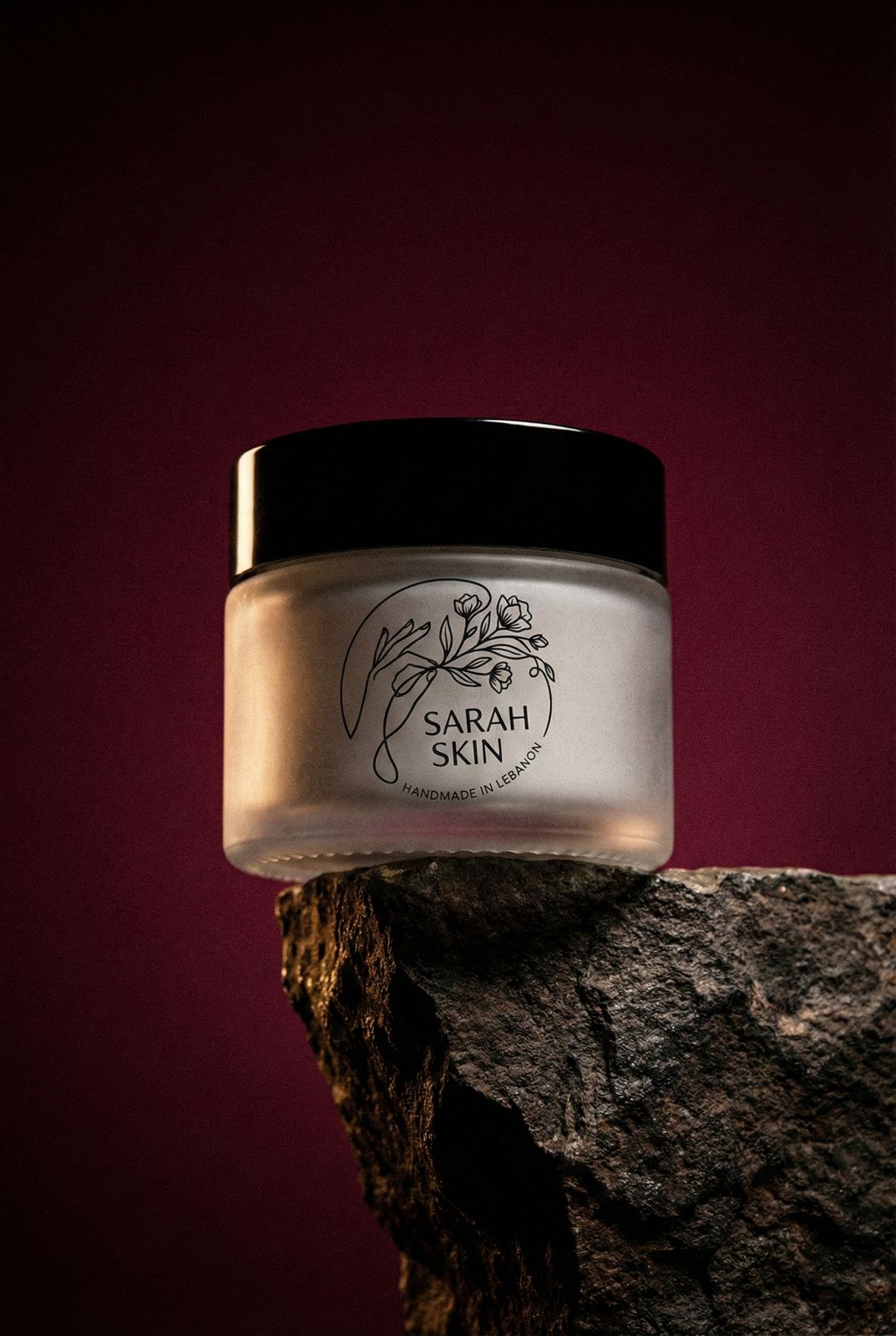
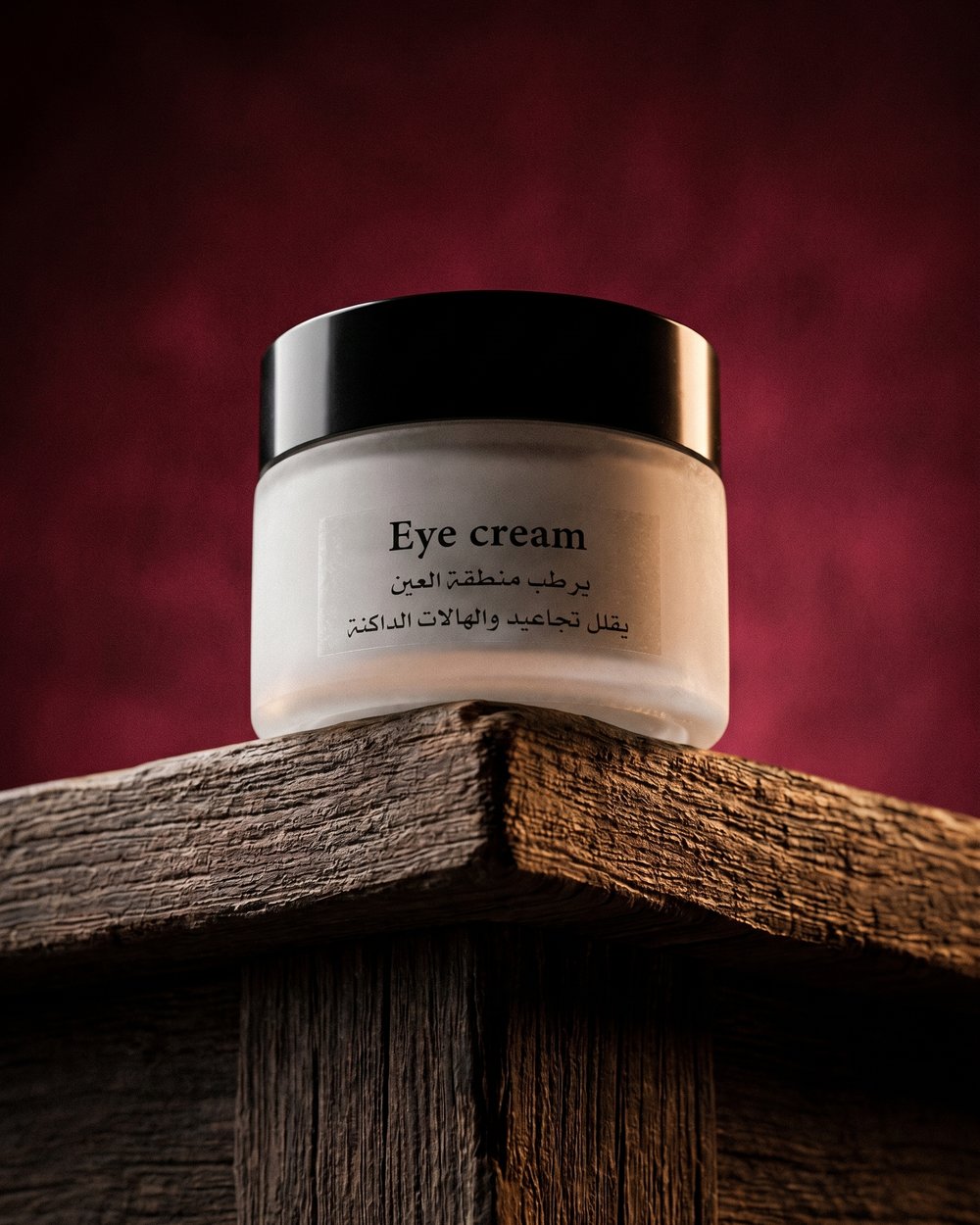
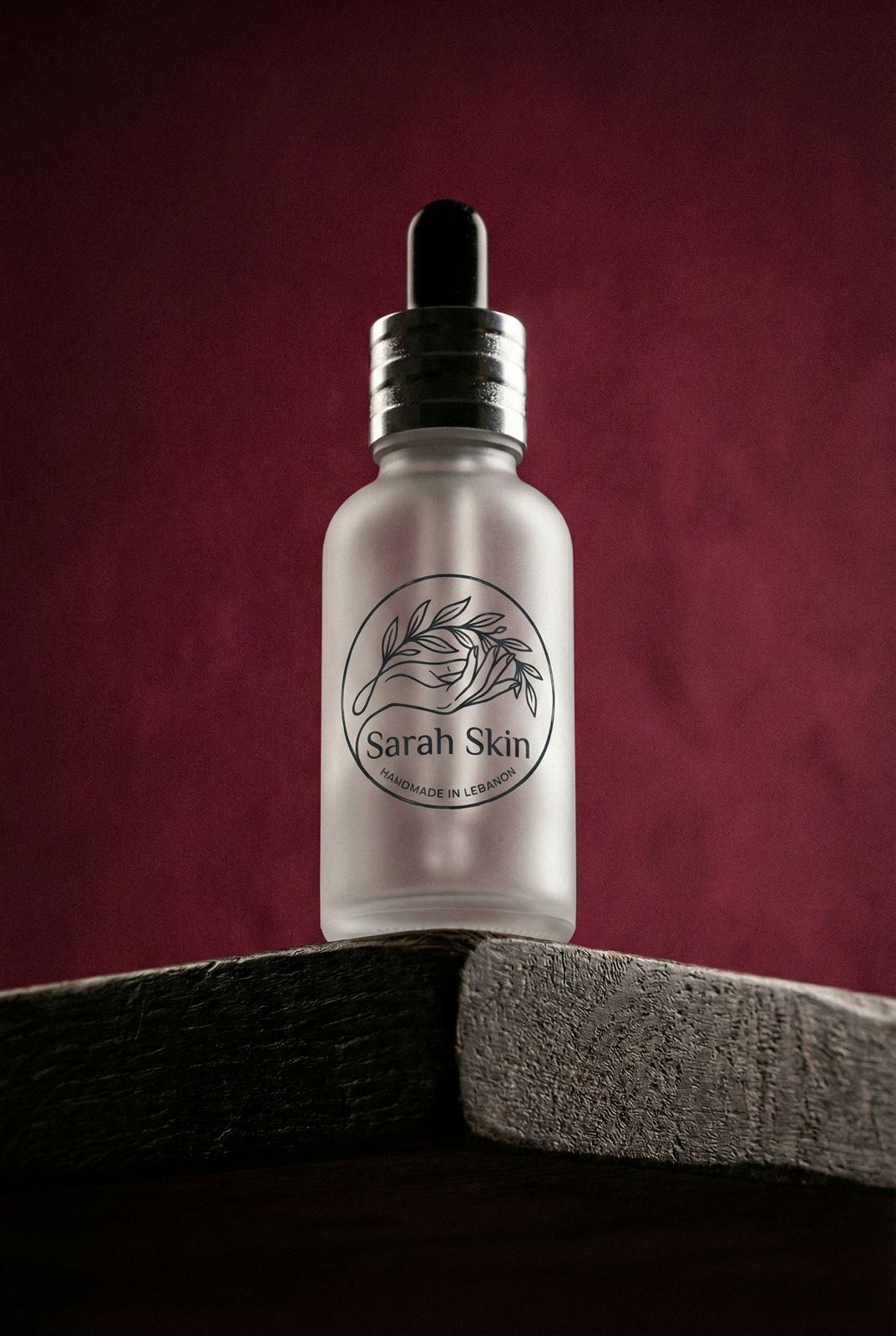
Sarah Skin's Glowing Serum 30ml is crafted with this level of transparency and intentionality. Each batch is handmade in small quantities to preserve the potency and freshness of its botanical actives — a standard that industrial manufacturing cannot replicate. The formula is free from synthetic fragrance, parabens, and harsh bleaching agents, making it suitable even for reactive and melanin-rich skin types prone to PIH. The result is a serum you can use confidently every day, knowing that every drop contains ingredients chosen for their documented ability to reveal brighter, more even, genuinely healthy skin — not merely surface-level radiance.
If you are ready to address uneven tone, lingering dark spots, or persistent dullness with a formula that is both scientifically grounded and made with honest, natural ingredients, Sarah Skin's Glowing Serum is the place to start. Consistent daily use — paired with diligent sun protection — is your most reliable path to the kind of luminous, even skin tone that does not rely on filters or heavy coverage. Your skin has everything it needs to be radiant; the right brightening serum simply helps it get there.
Scientific References:
1. Hakozaki T, Minwalla L, Zhuang J, et al. "The effect of niacinamide on reducing cutaneous pigmentation and suppression of melanosome transfer." British Journal of Dermatology. 2002;147(1):20–31. PubMed PMID: 12100180.
2. Pillaiyar T, Manickam M, Namasivayam V. "Skin whitening agents: medicinal chemistry perspective of tyrosinase inhibitors." Journal of Enzyme Inhibition and Medicinal Chemistry. 2017;32(1):403–425. doi:10.1080/14756366.2016.1256882.
3. Smit N, Vicanova J, Pavel S. "The Hunt for Natural Skin Whitening Agents." International Journal of Molecular Sciences. 2009;10(12):5326–5349. doi:10.3390/ijms10125326.